Paint problems and how to fix them
Most paint failures are diagnostic problems first and product problems second. Identify the cause, apply the right fix, repaint with a film that won't repeat the failure.
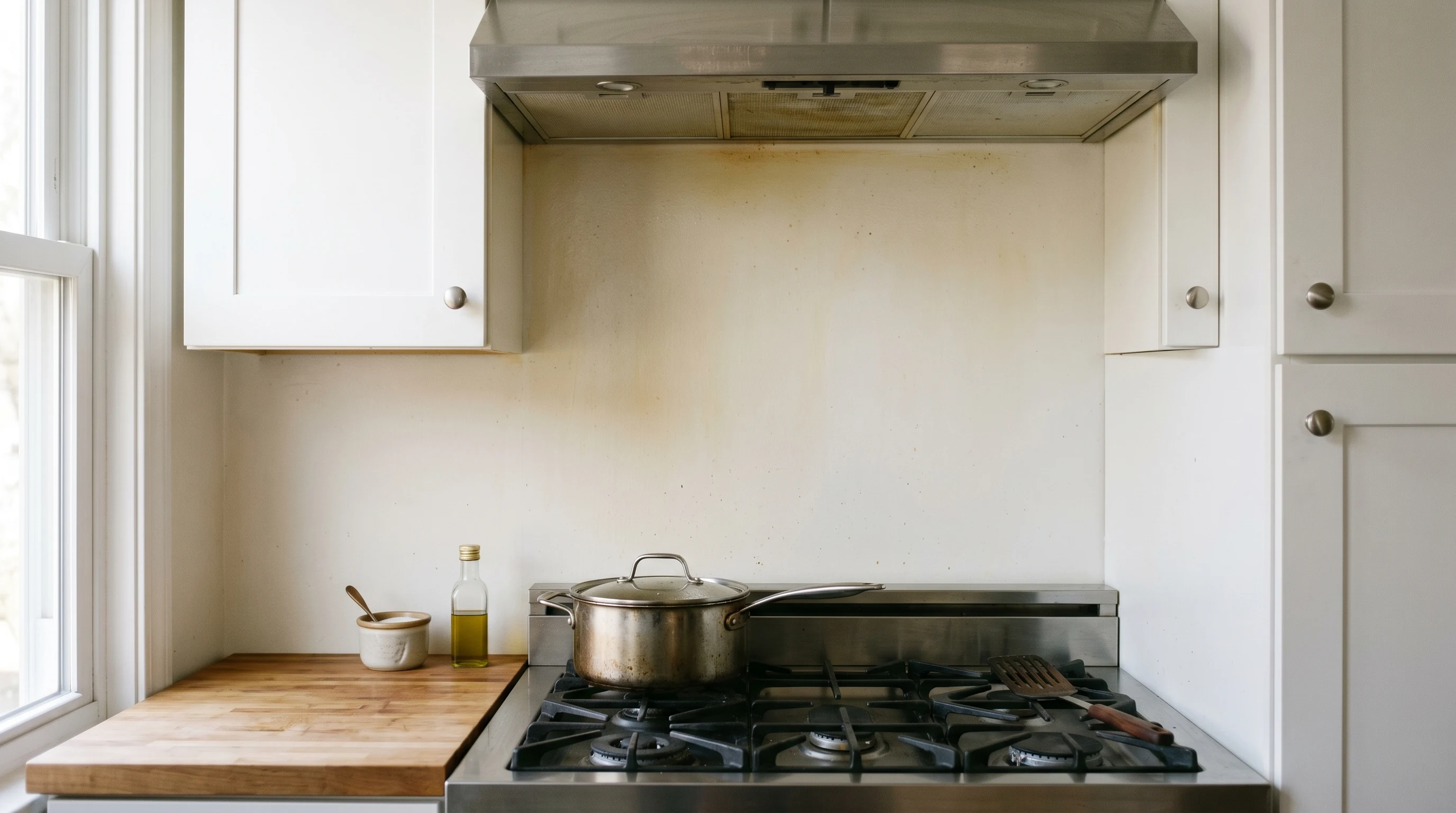
How to Paint Over Grease Stains in a Kitchen
Cooking grease and tar near the range eats fresh paint within months. Degrease with Krud Kutter or TSP-PF, scuff sand, then BIN or Stix primer before topcoat.
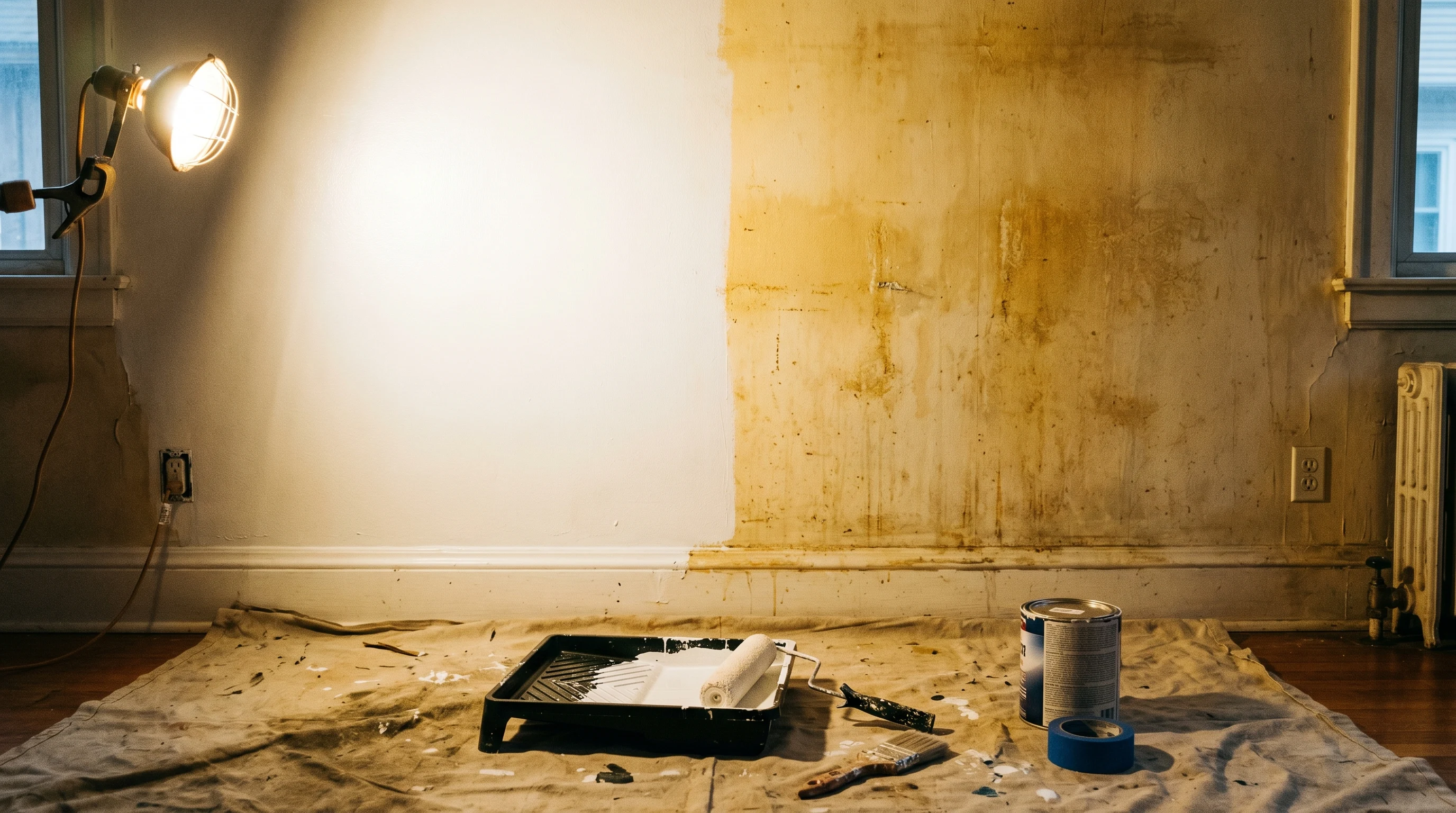
How to Block Nicotine Stains Before Painting
Nicotine stains bleed through latex and even alkyd primer. TSP wash first, then BIN shellac primer in one or two thin coats, then your topcoat. Here's the only sequence that holds.
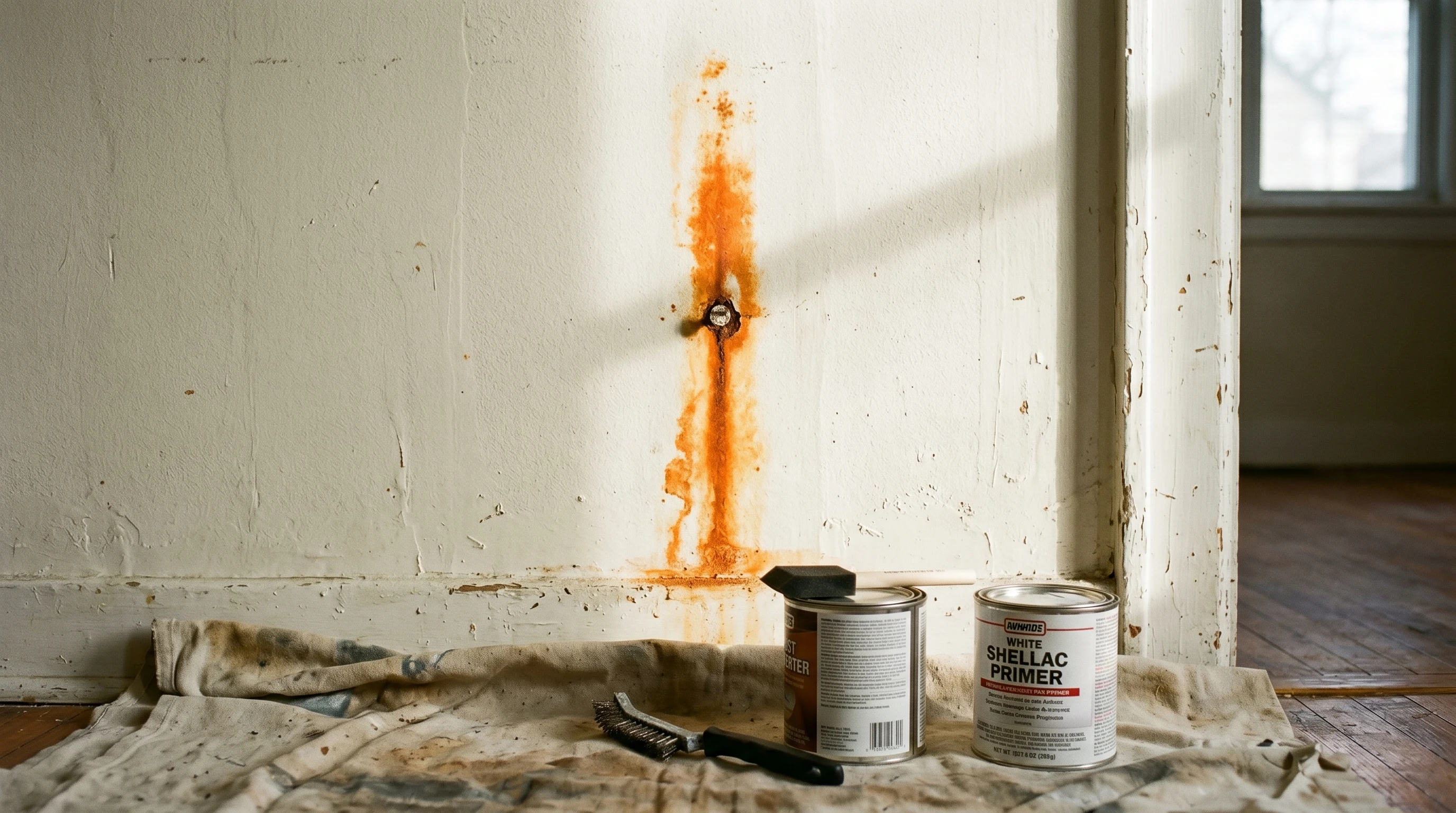
How to Block Rust Stains Before Painting
Rust ghosts through latex and oil primer alike. Find the iron source, treat it with a converter, then seal with BIN shellac. Two topcoats and the stain stays buried.
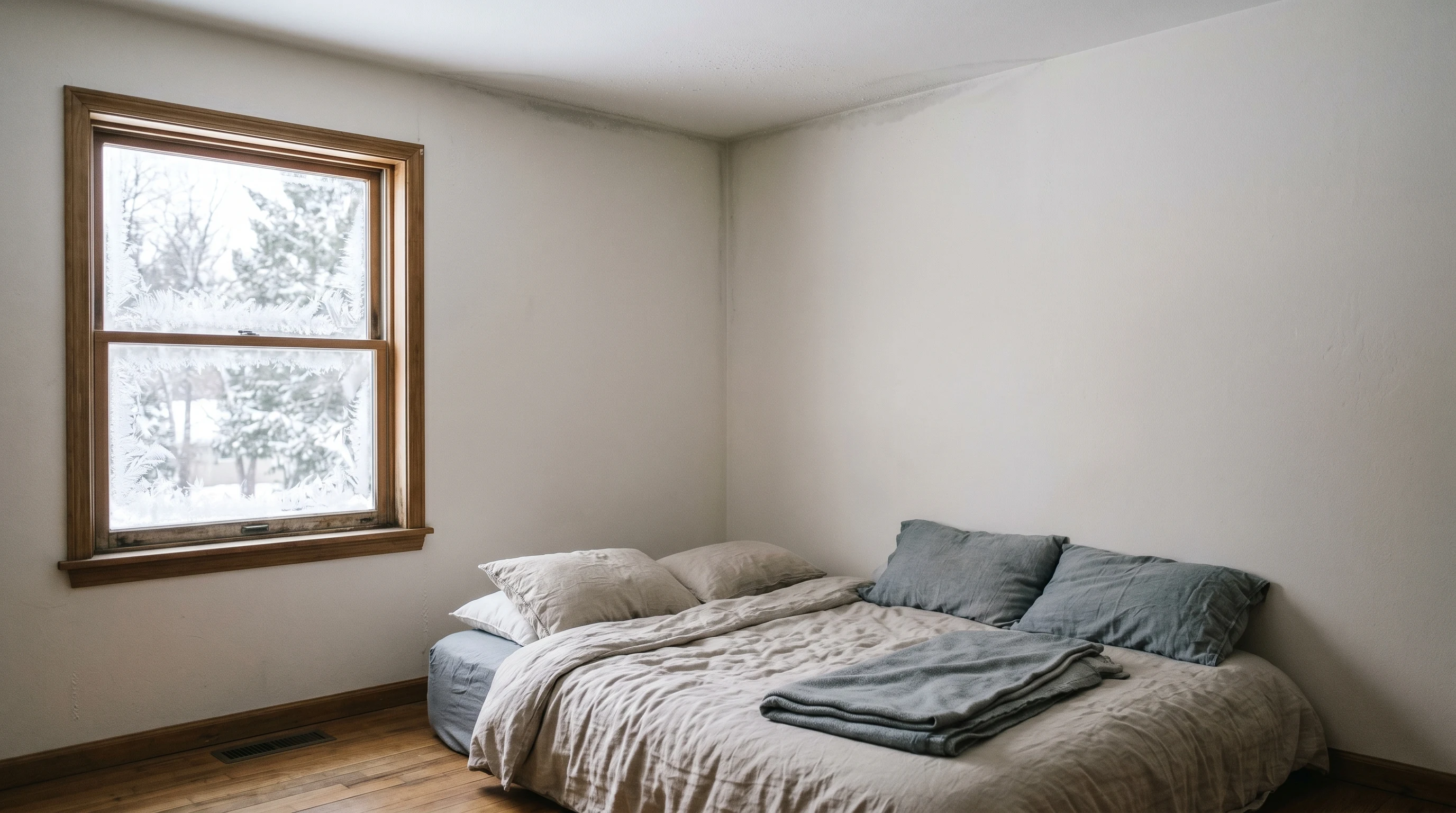
How to Stop Condensation on Interior Walls
Cold-bridge corners, north-facing exterior walls, the patch behind the dresser. Diagnose ventilation and insulation first. Anti-condensation paint is a palliative, not a cure.
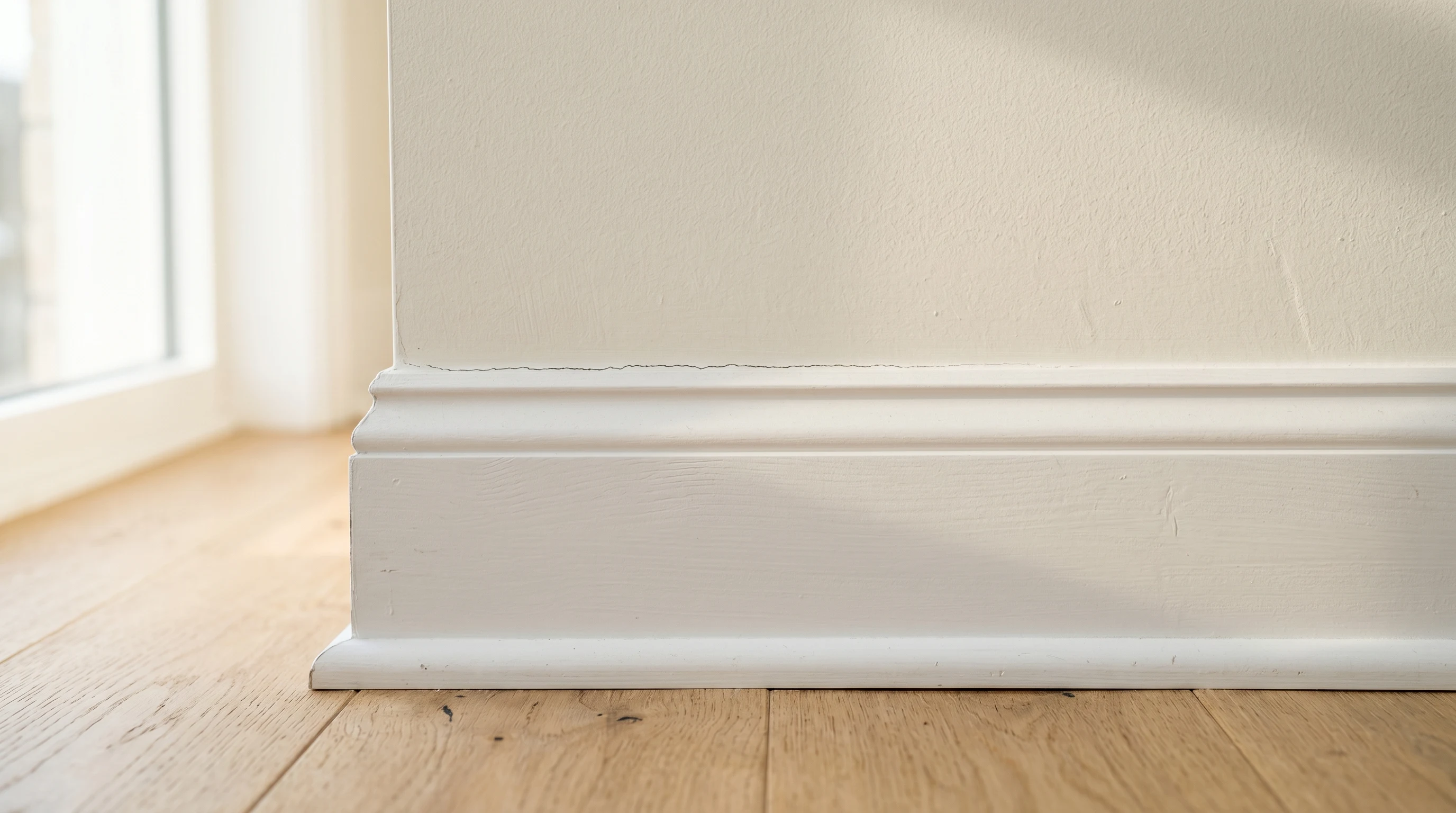
How to Fix Cracking Caulk Before Painting
Hairline cracks in trim caulk read worse after repainting if you skip the recaulk step. Cut out the old bead, prime if oil-based residue, recaulk with a high-flex paintable, two coats topcoat.
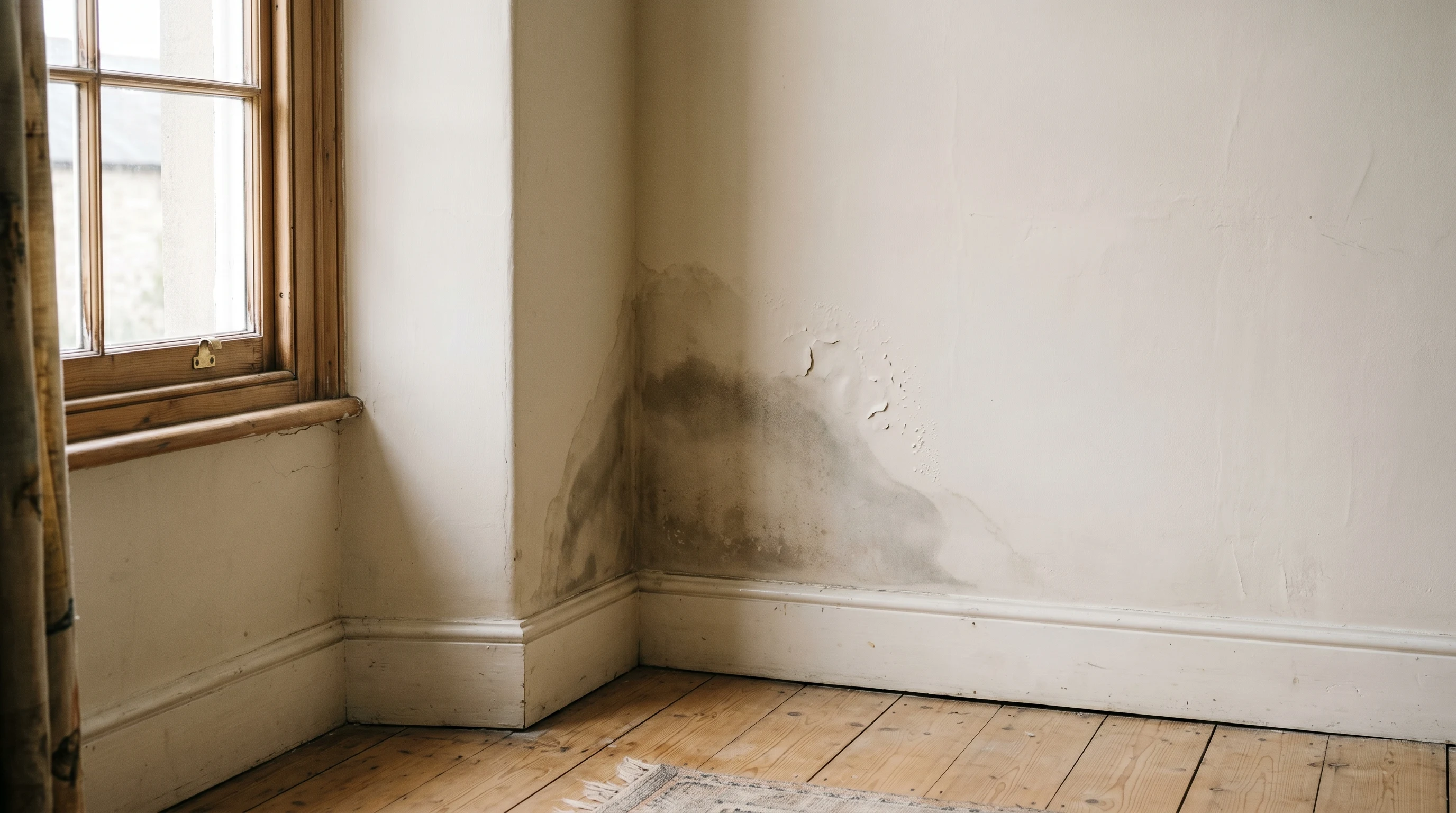
How to Fix Damp Walls and Stop Them Coming Back
Damp walls are a water problem in a paint costume. Diagnose the source — leak, exterior intrusion, or condensation — fix it, then seal and repaint. The order matters.
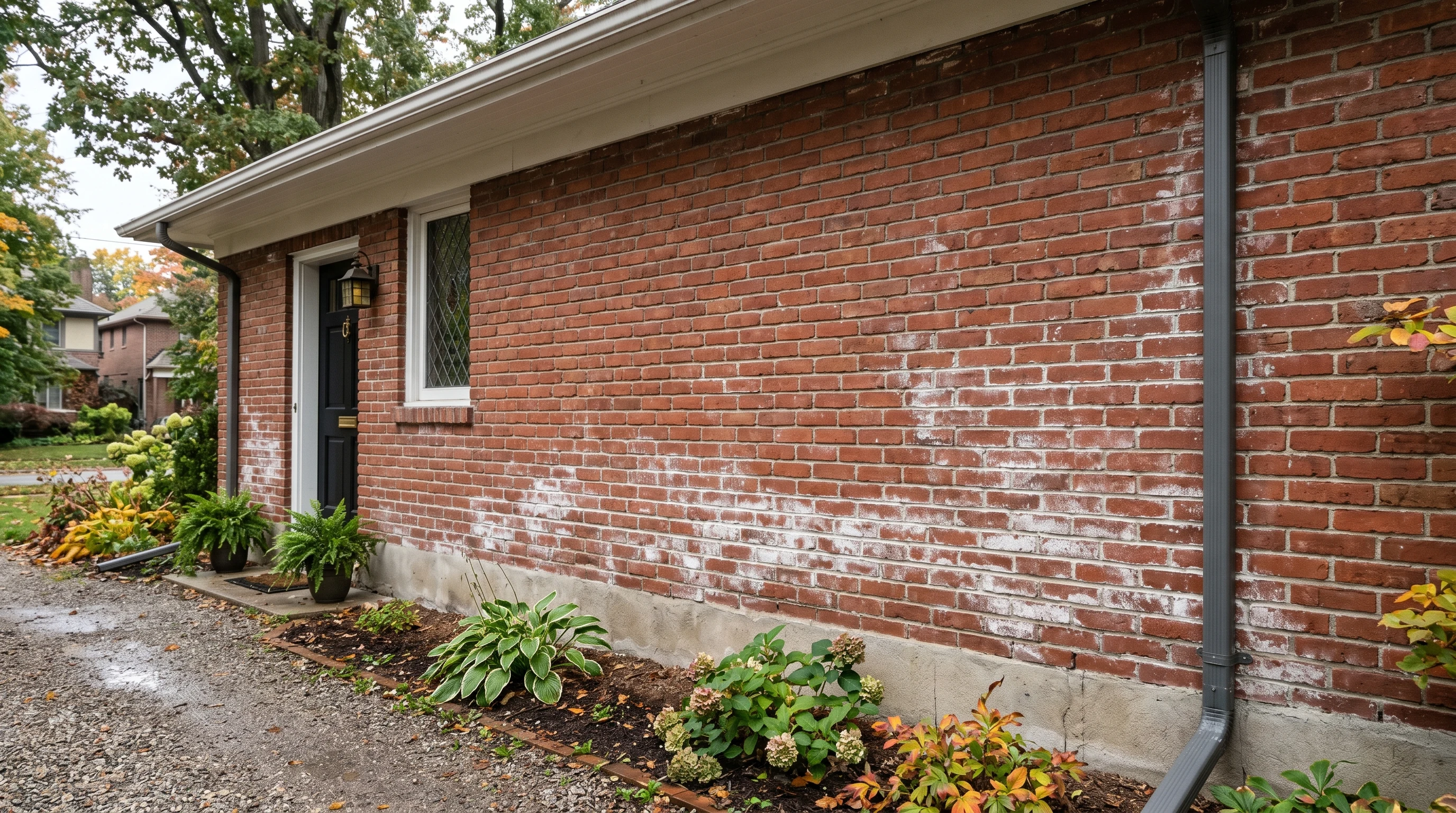
How to Fix Efflorescence on Brick
White crystalline bloom on brick is salts pushed to the surface by moisture. Diagnose the water source first, dry-brush, acid-wash 1:10, then Loxon-prime so paint actually holds.
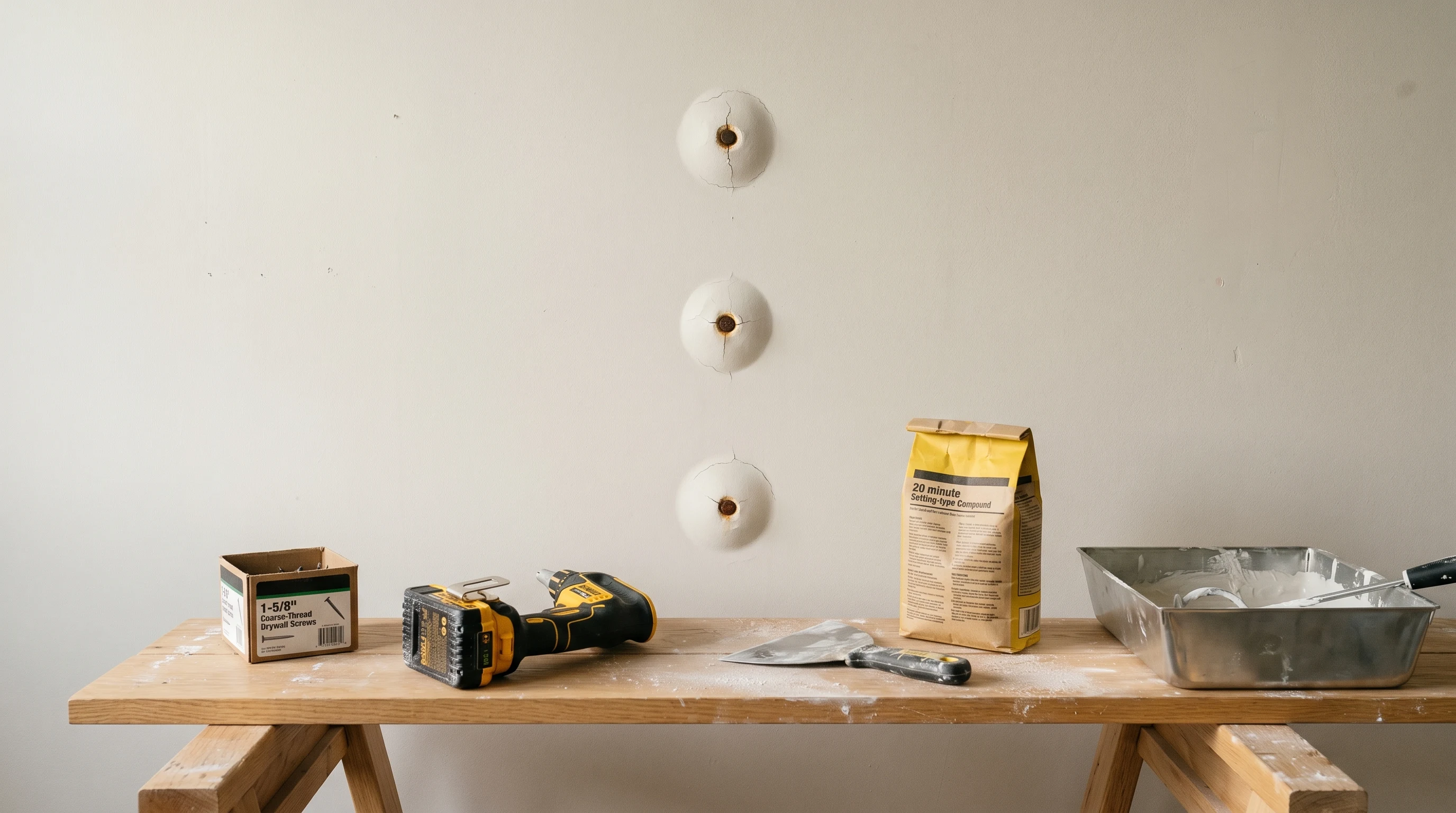
How to Fix Nail Pops in Drywall
Nail pops come back unless you drive a screw beside the old fastener, scrape the popped head, and refill with setting compound. Two feathered passes, then texture, then paint.
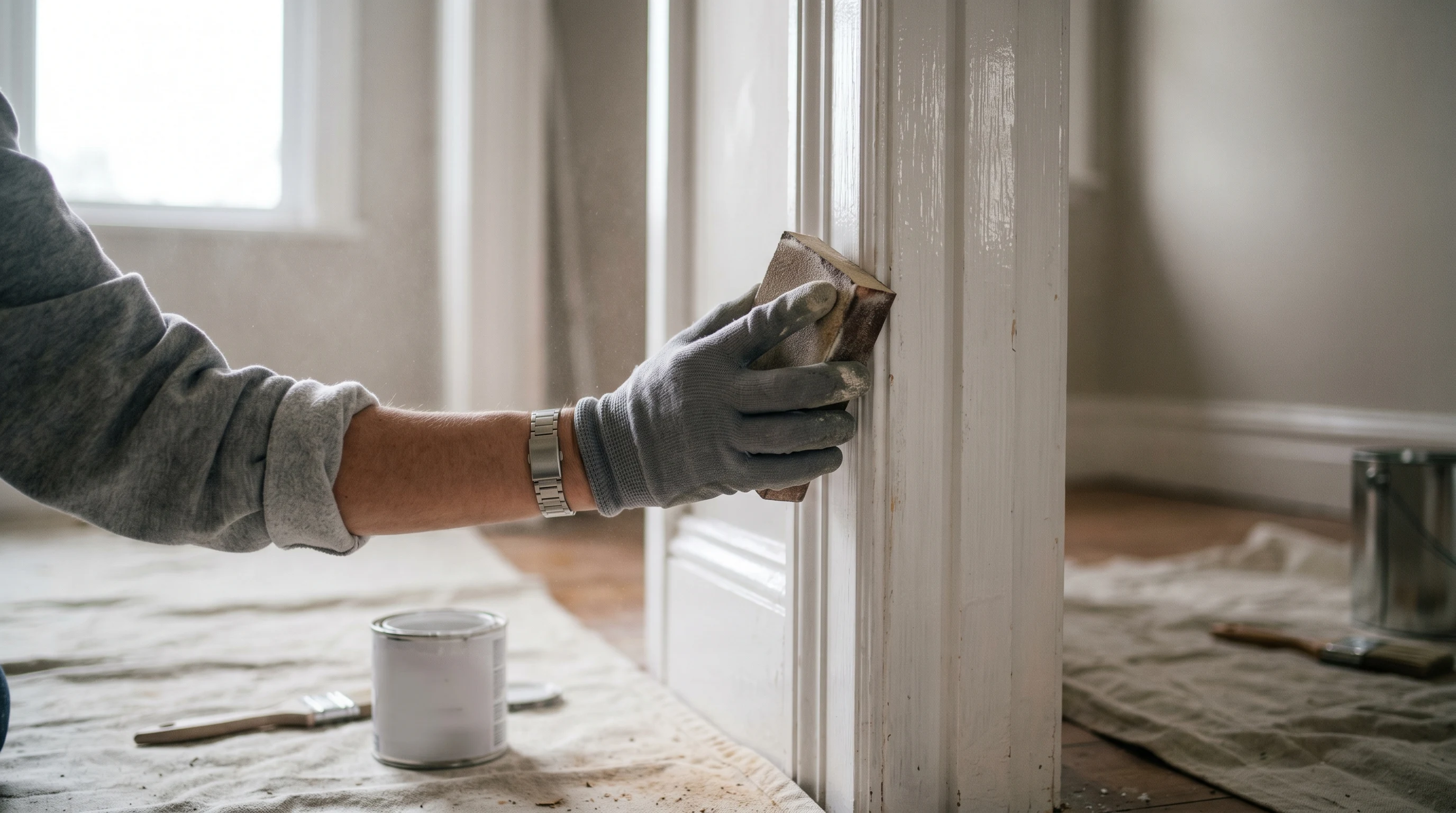
How to Paint Over a Glossy Finish
Glossy trim and furniture reject latex unless you break the sheen first. Sand to 220 or wipe with Krud Kutter Gloss-Off, prime with Stix, then topcoat with a waterborne urethane.
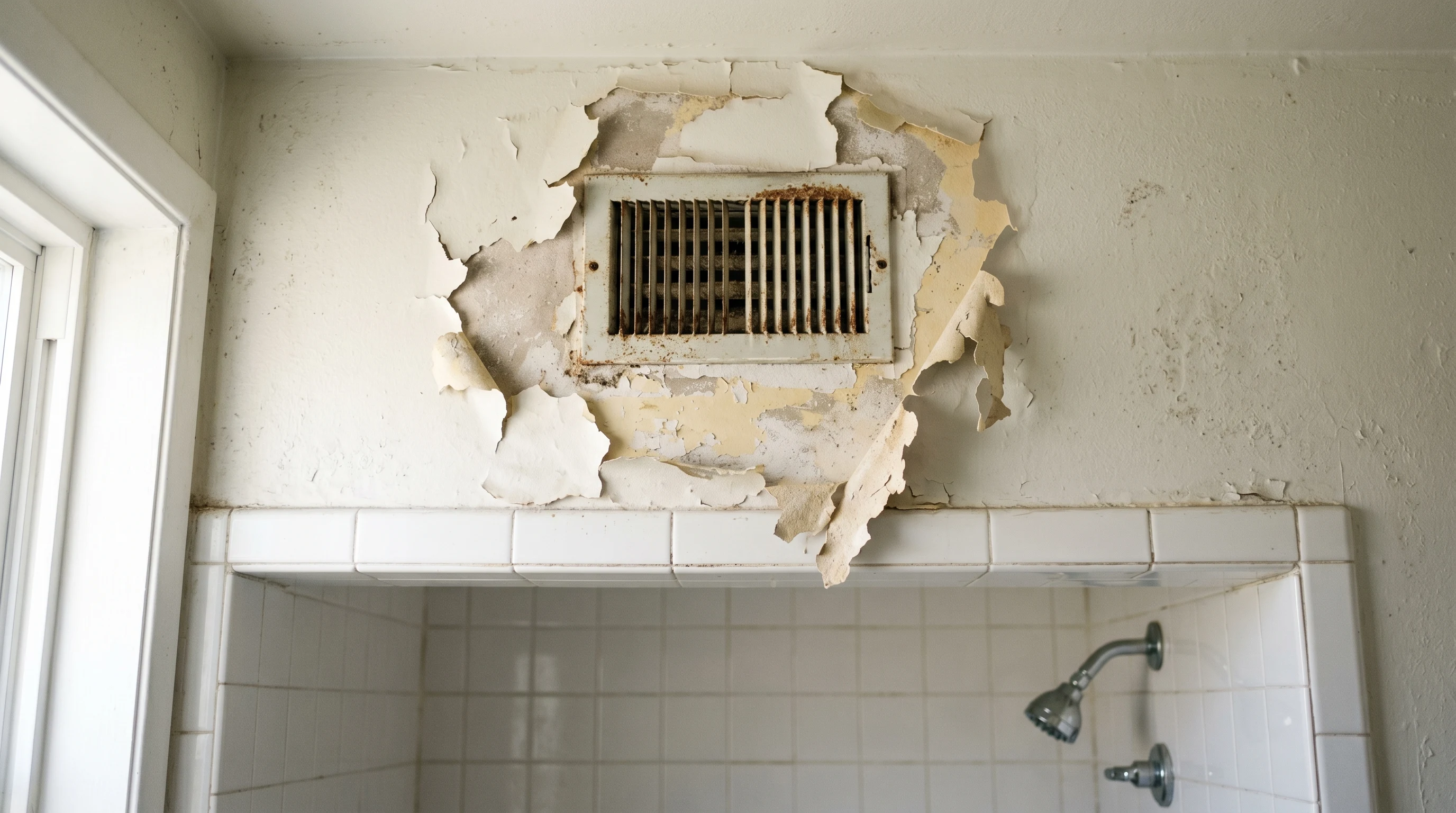
How to Fix Peeling Interior Paint
Three reasons interior paint peels — bathroom humidity, kitchen grease, latex rolled over oil without bonding. Diagnose the pattern, then Cover Stain or BIN before you recoat.
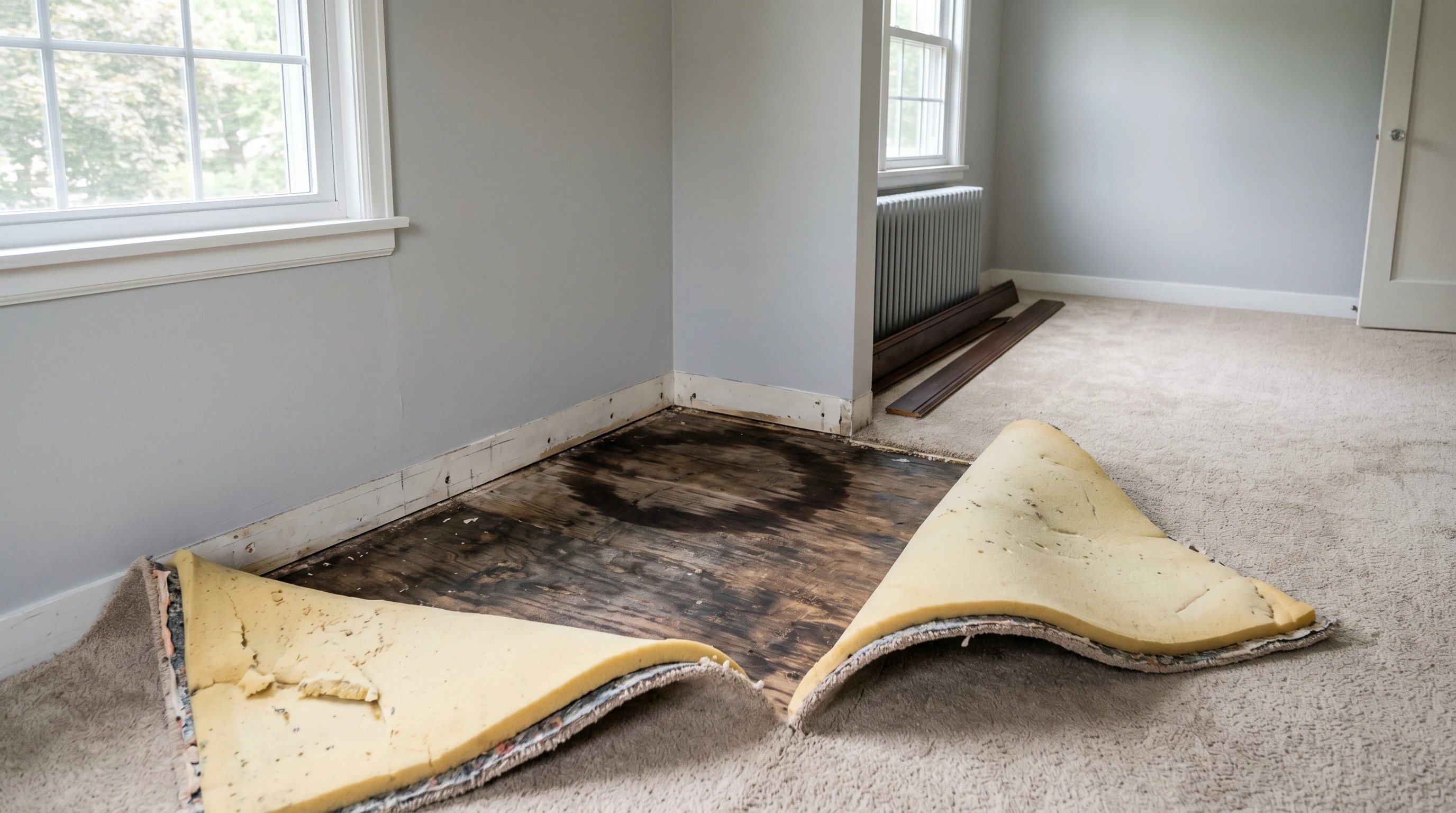
How to Seal Pet-Urine Odor Before Painting
Enzyme-clean the source, replace the porous layers urine soaked into, then seal the substrate with shellac primer. Why paint cover pet urine fails without the prep underneath.
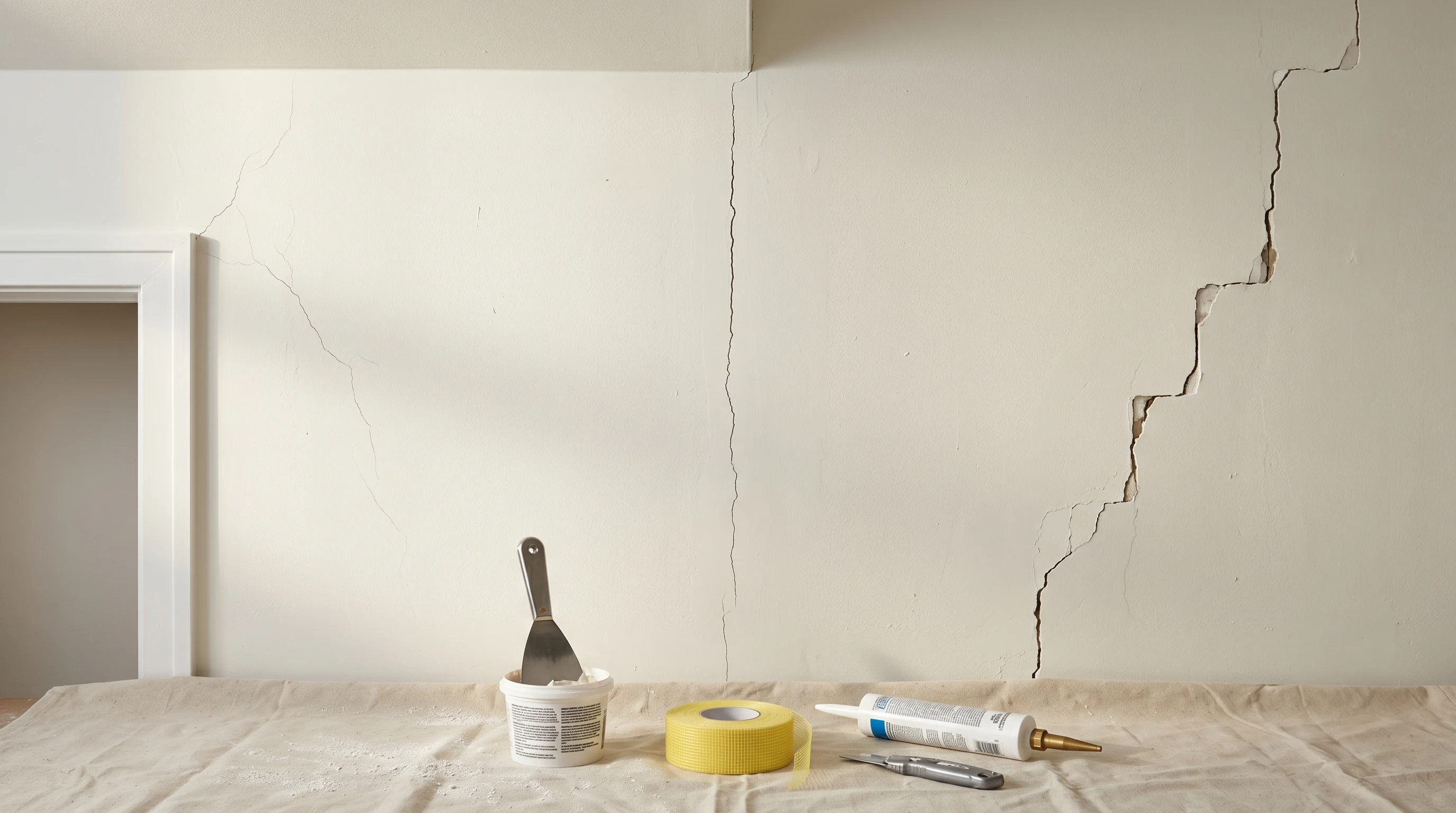
How to Fix Cracks in Walls Before Painting
Hairline settlement cracks get mesh tape and a skim. Seasonal expansion cracks get elastic caulk. Structural cracks get a flag and a phone call. Match the fix to the crack.
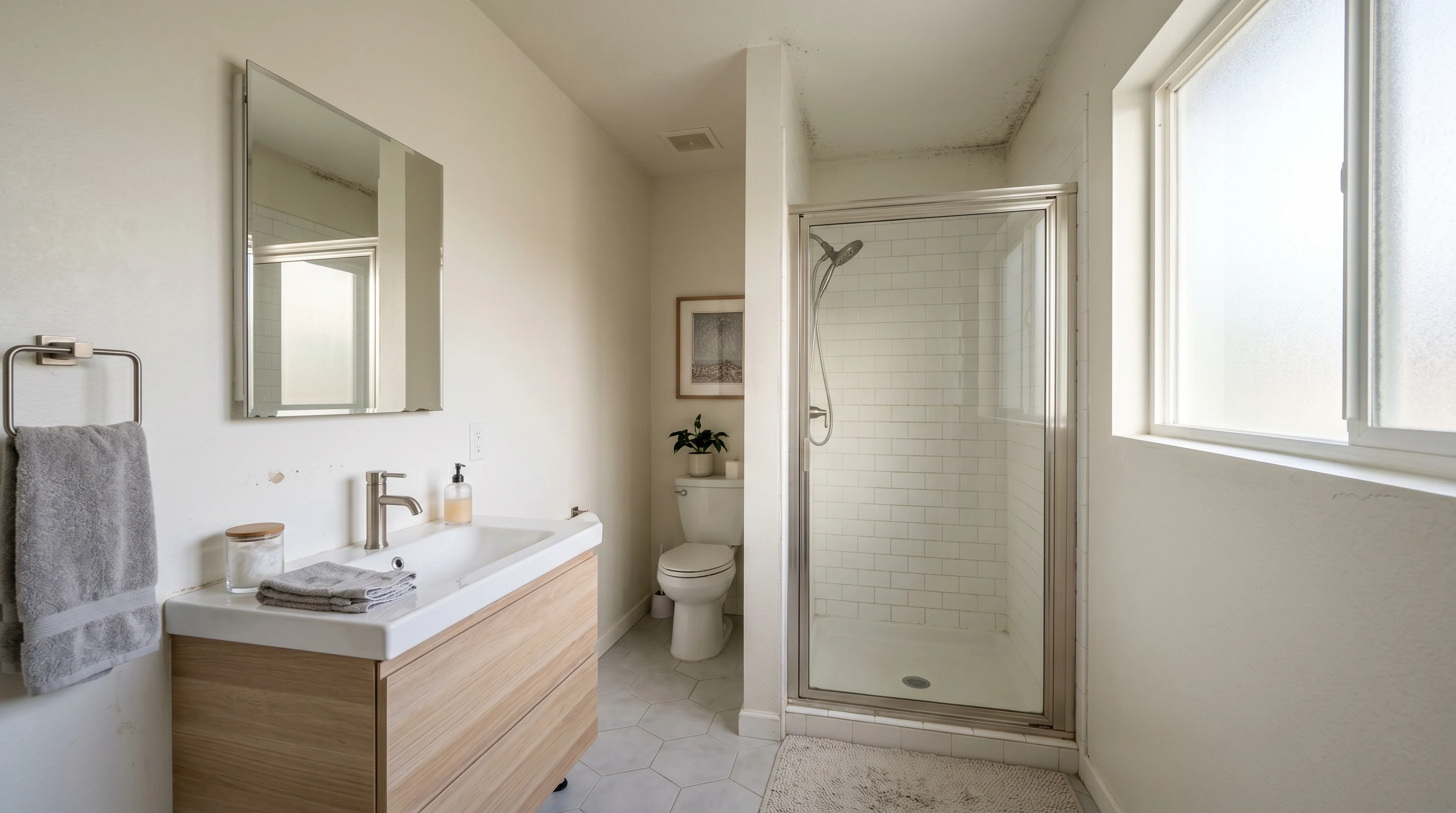
How to Remove Mold from Bathroom Walls (and Keep It Gone)
Diagnose the ventilation problem first. Treat with RMR-86 or Concrobium, prime with Zinsser Mold Killing Primer, topcoat with Perma-White. The fix that actually holds.
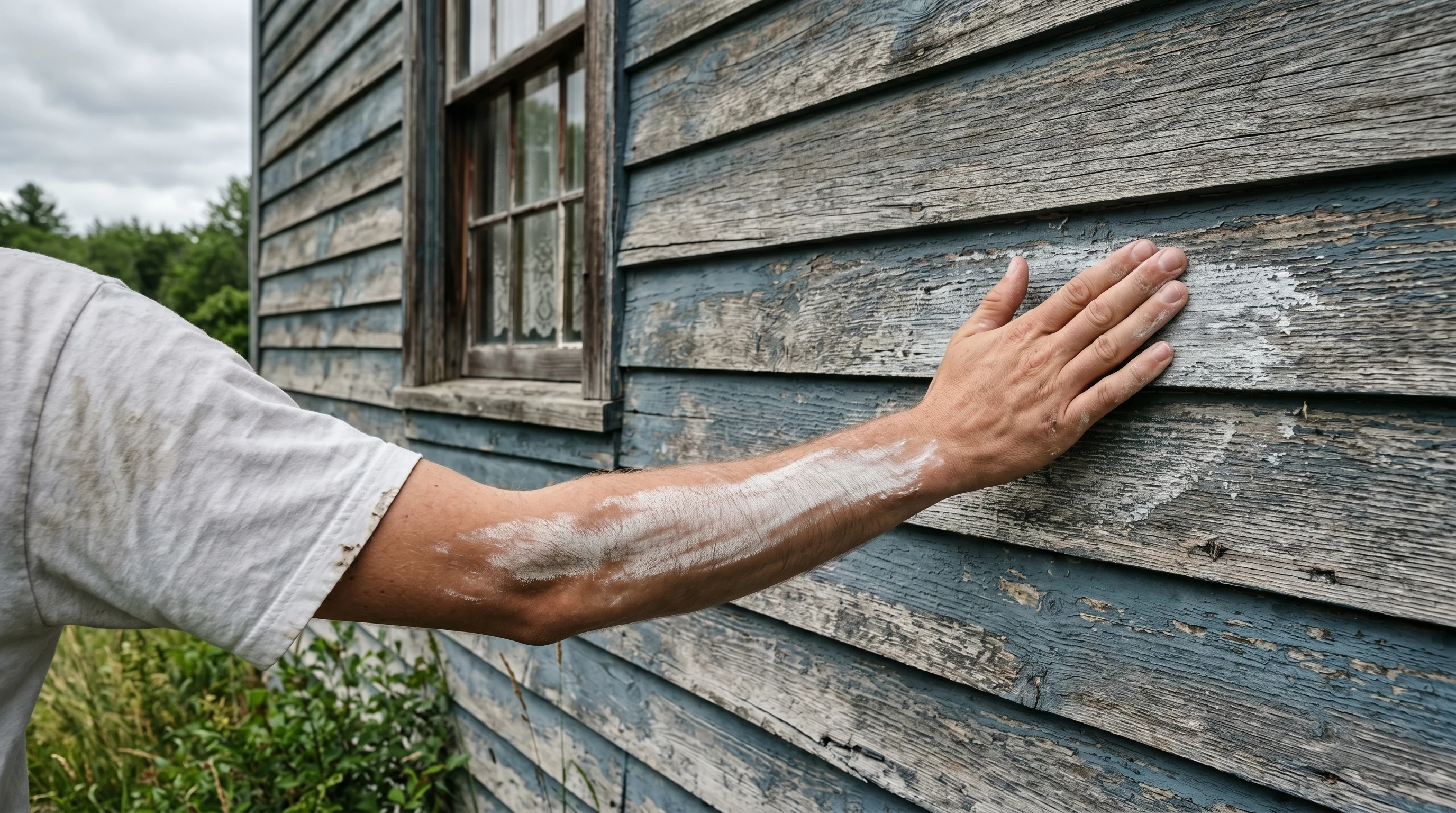
How to Fix Chalking Exterior Paint
Diagnose exterior chalk with the white t-shirt rub test, then pressure-wash, scrub, bind with Peel Stop or Cover Stain, and top-coat with 100%-acrylic. A 22-year contractor's playbook.
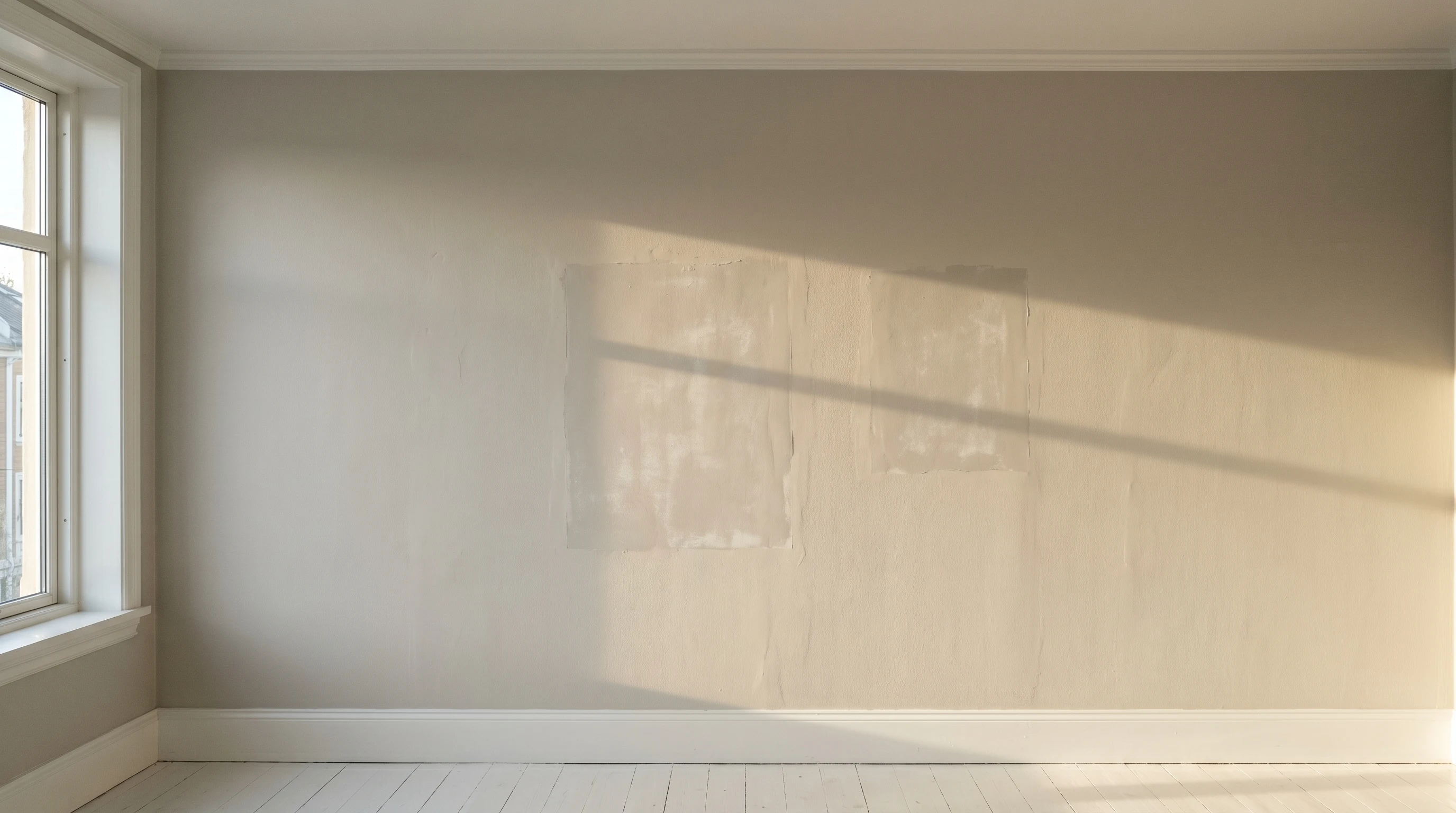
Flashing on Walls — Why Patches Look Duller and How to Fix It
Paint flashing is dull or shiny spots where the wall absorbed coats unevenly. Re-prime the patched areas, run a full second coat, and the sheen reads flat.
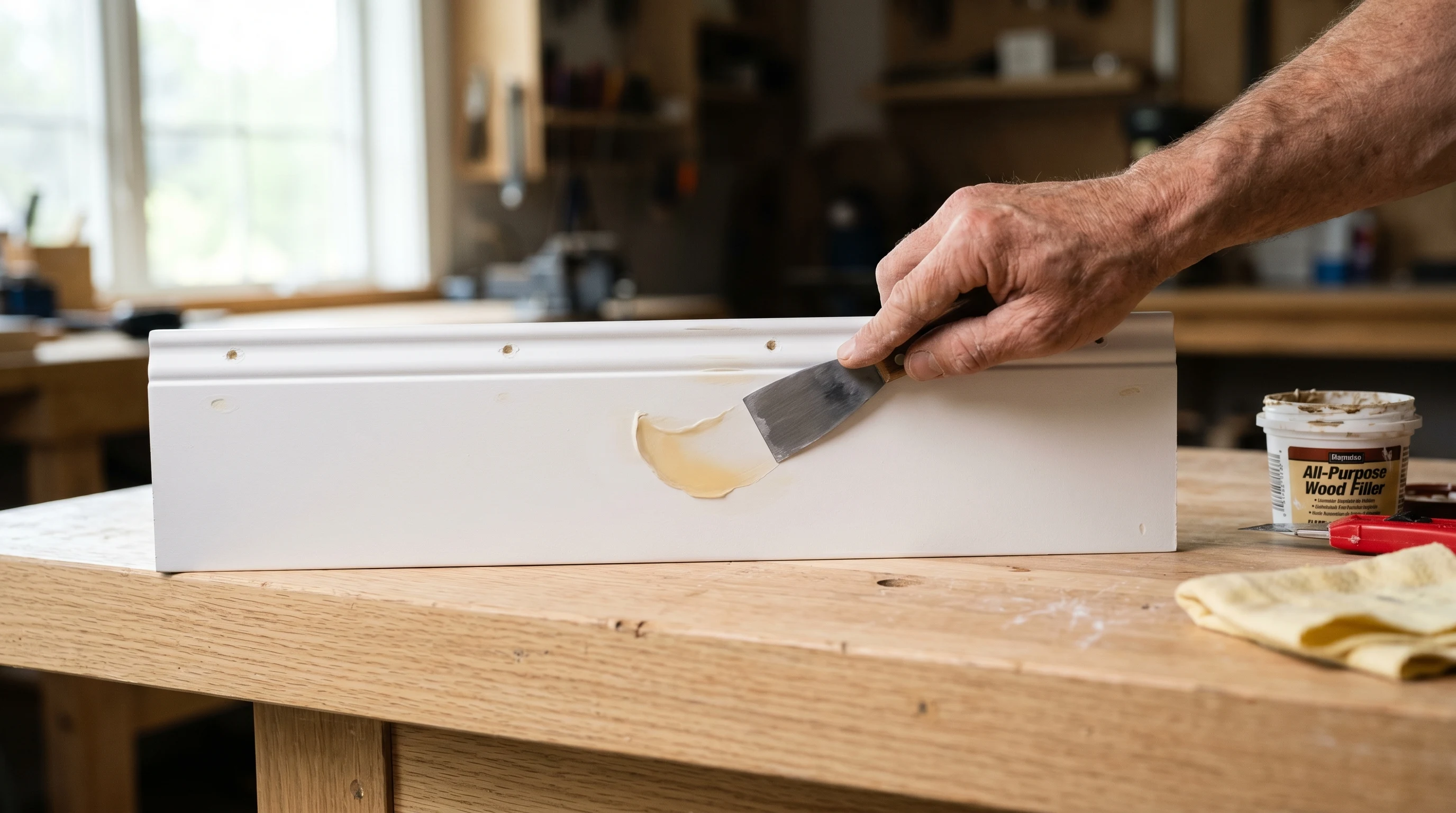
How to Fill Holes and Gaps in Wood
Nail holes get spackle. Gouges get two-part wood filler. Rotted exterior trim needs epoxy. Match the filler to the damage or it telegraphs through your paint by next summer.
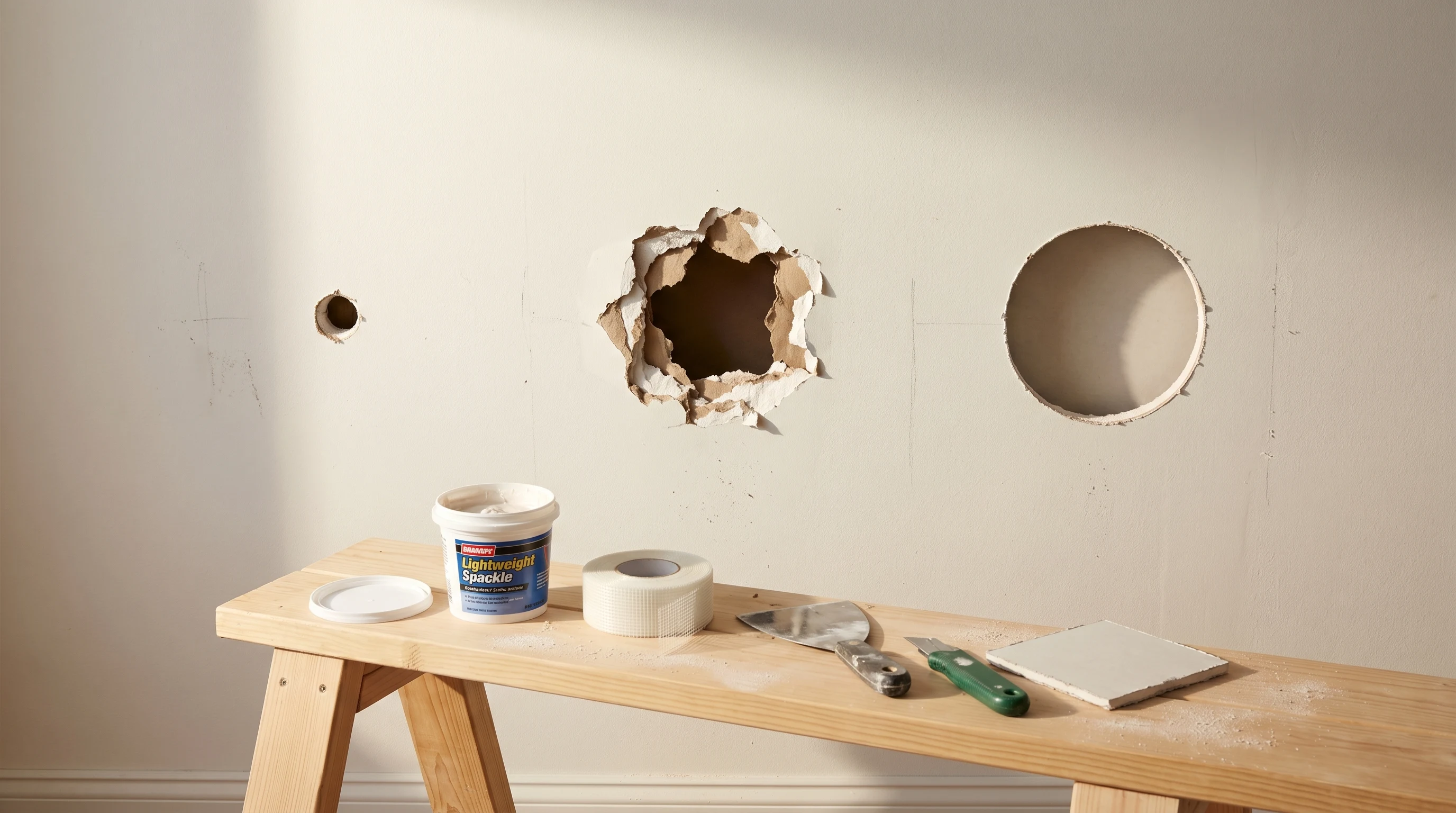
How to Fix Holes in Drywall
Match the patch to the hole size: spackle for nail dings, mesh tape for fist-size, California patch for baseball-size, full backer cut for anything bigger.
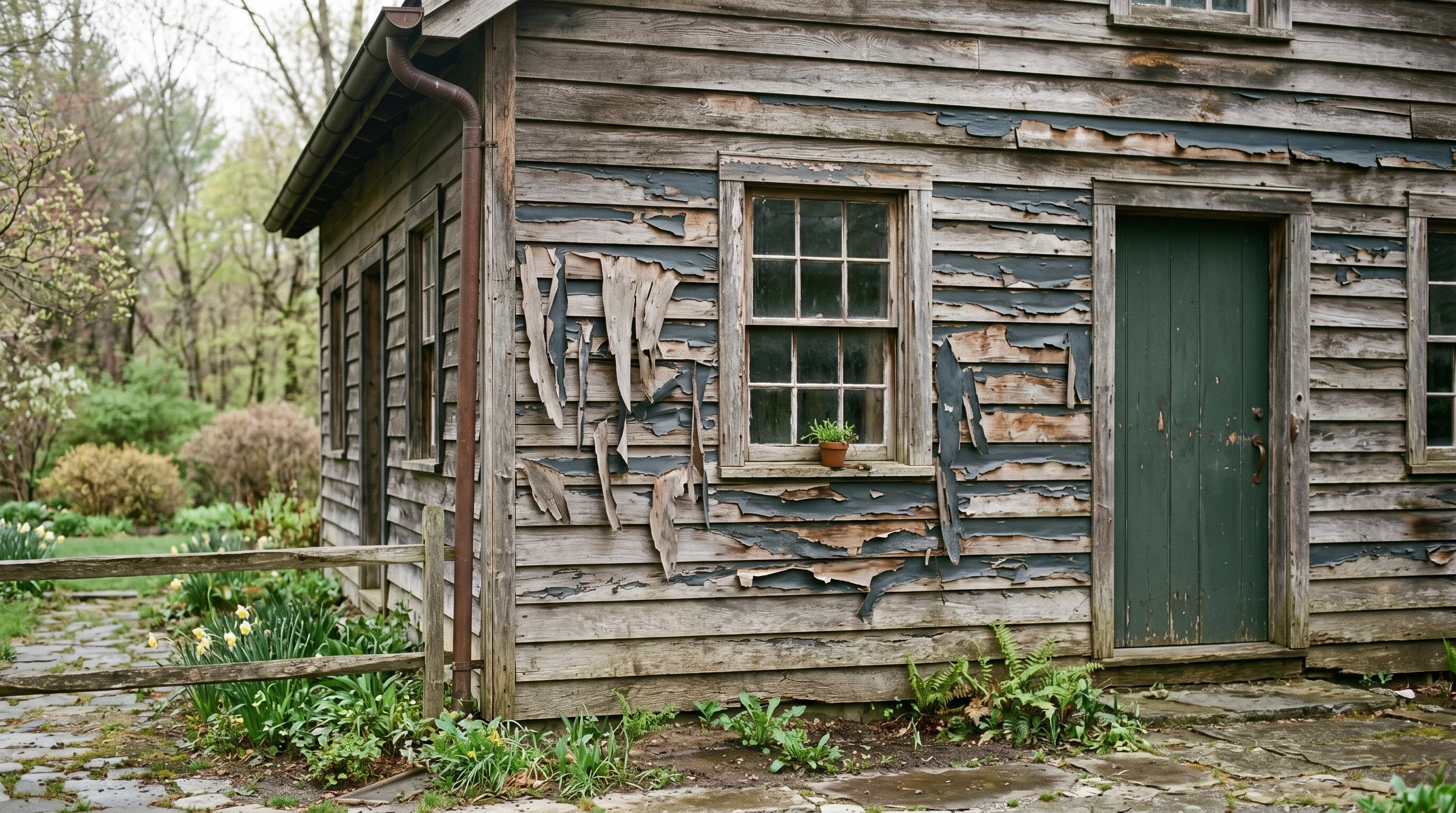
How to Fix Peeling Exterior Paint
Diagnose exterior peel by failure pattern — between coats, off the substrate, or in sheets — then scrape, sand, Cover Stain prime, and two-coat acrylic. A 22-year contractor's playbook.
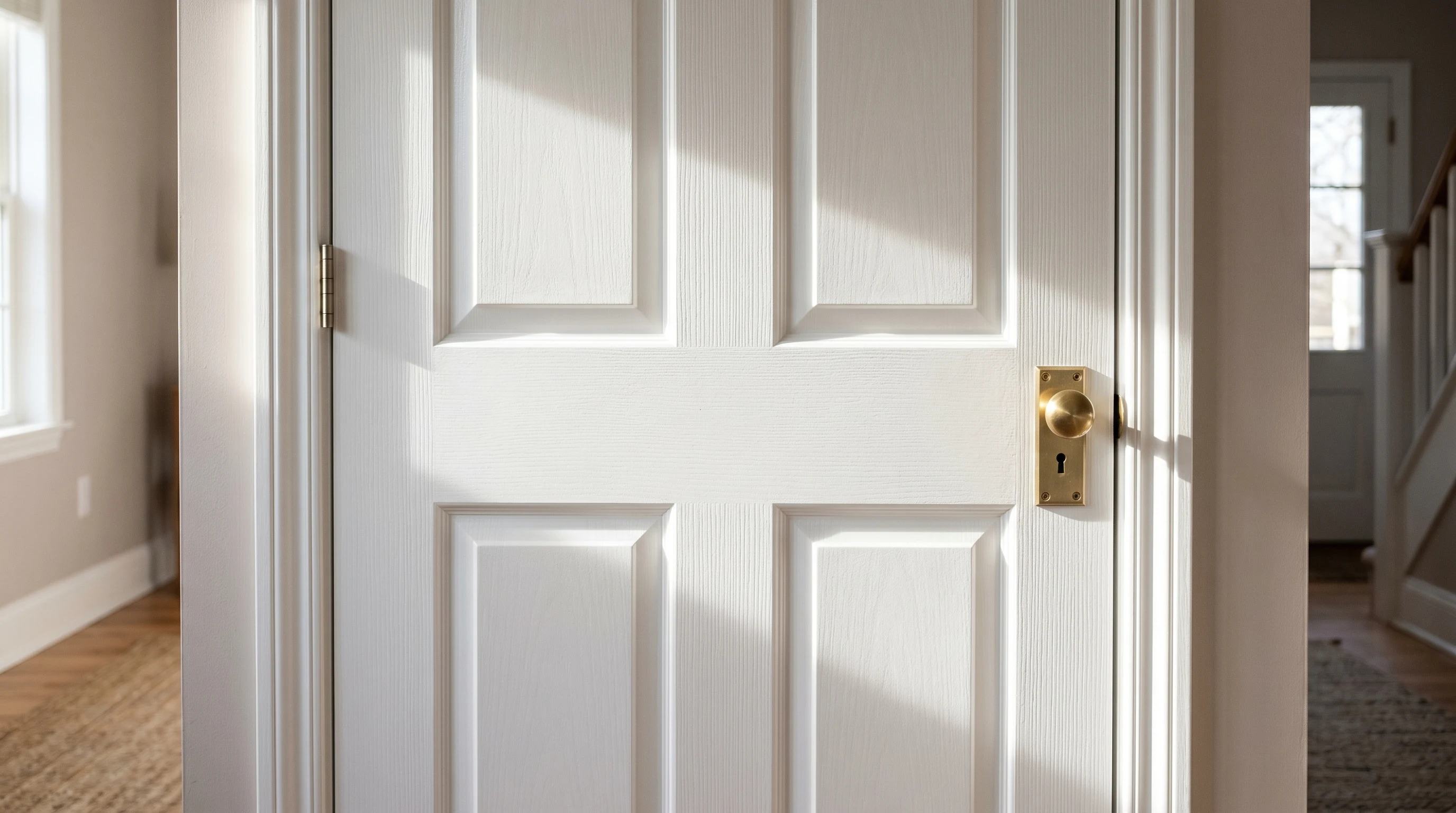
Brush Strokes on Trim and Doors — Why They Show and How to Lay Paint Flat
Brush strokes on a finished door or trim mean the paint film froze before it self-leveled. Pick leveling-engineered paint, swing a real brush, condition the can with Floetrol, and the stroke lines disappear.
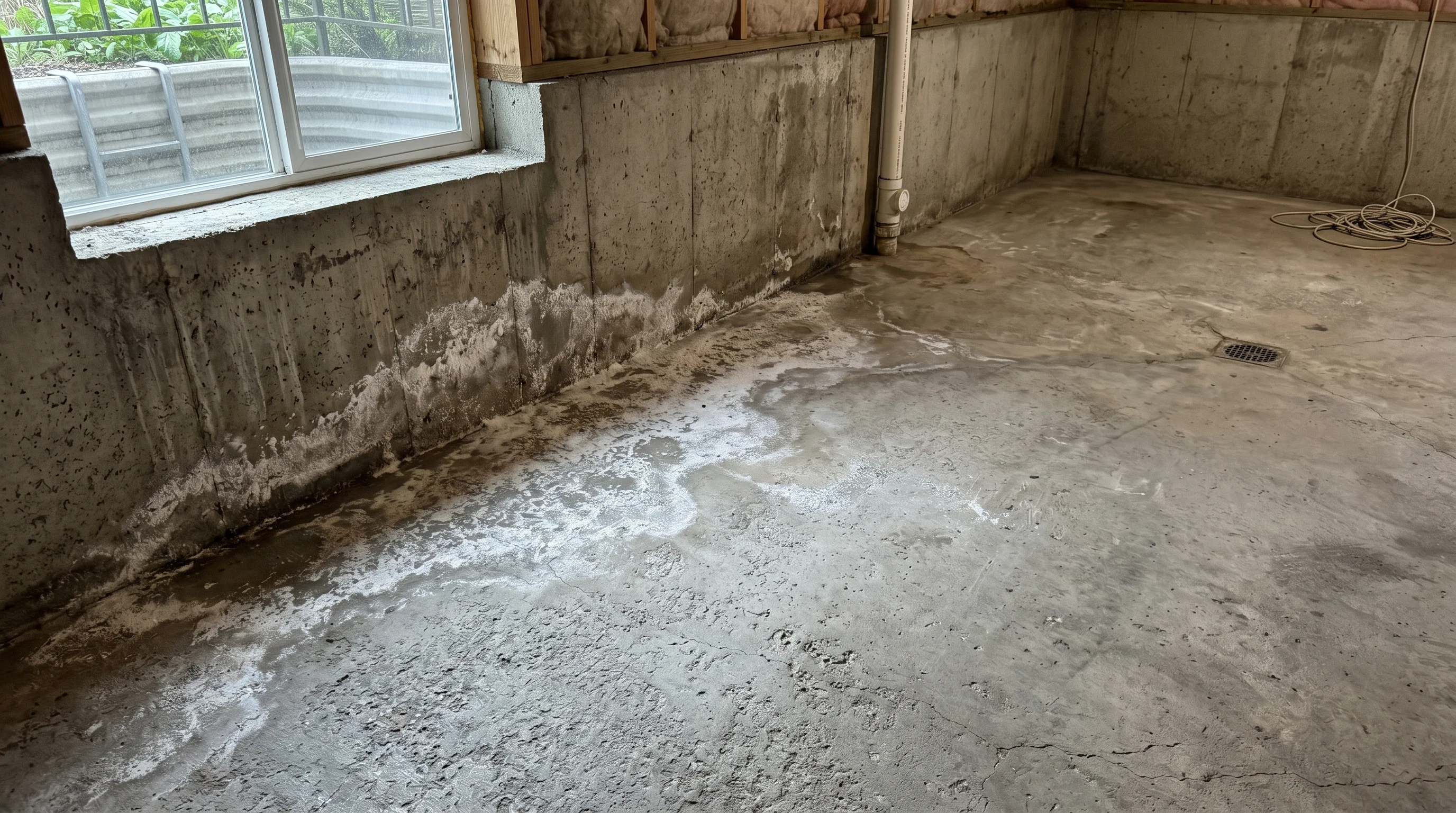
How to Fix Efflorescence on a Concrete Floor (and Stop the Bloom Coming Back)
White powdery bloom on a concrete floor is salts pushed up by moisture. Diagnose the source, etch the slab, dampproof the surface, and recoat so the paint actually holds.
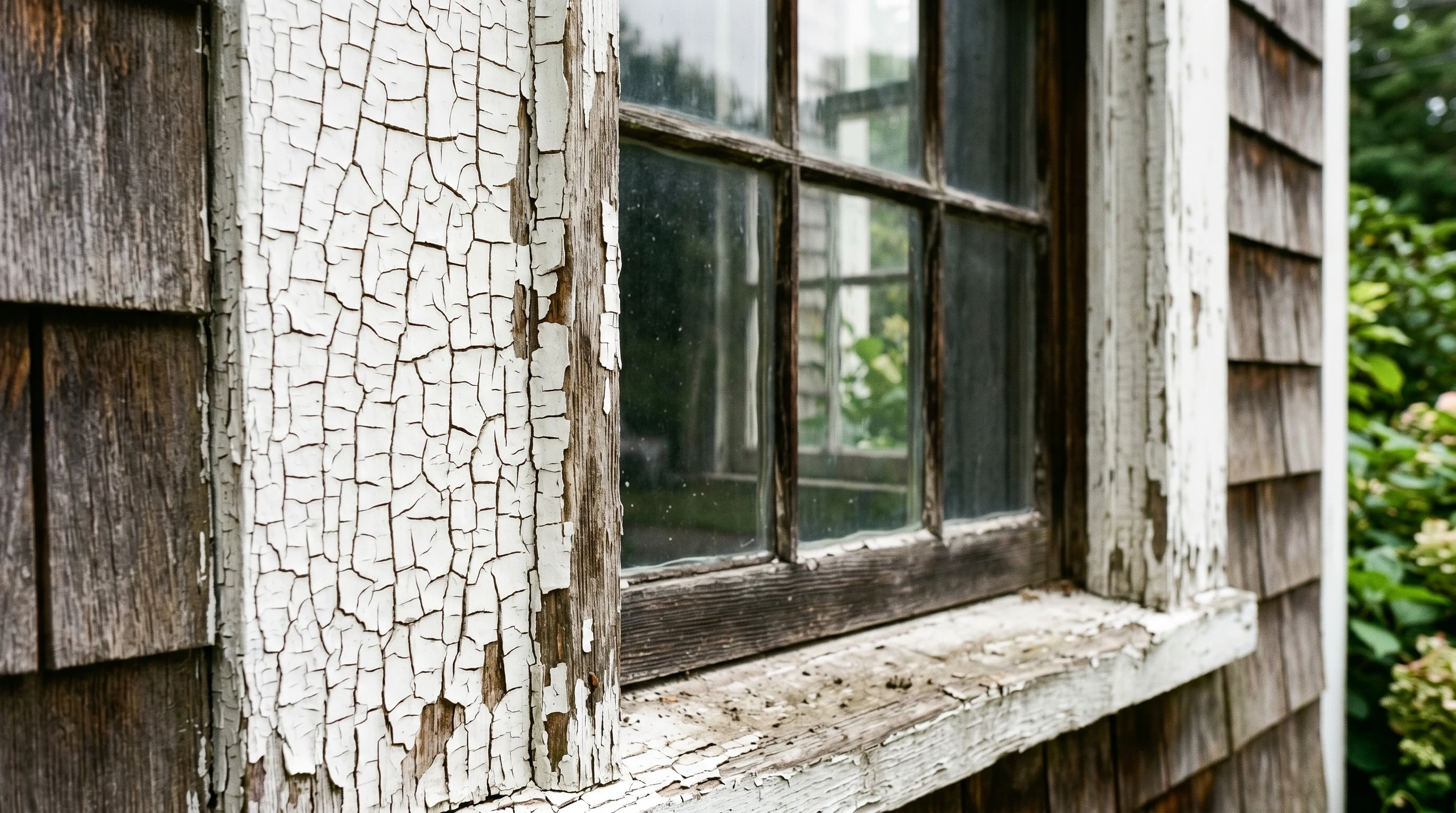
Cracking and Alligatoring — Why Old Paint Looks Like Reptile Skin and How to Fix It
Alligatored paint is a network of cracks, not a peel and not a bubble. Diagnose the cause — paint mismatch, trapped solvent, or age — then scrape, encapsulate, or strip and rebuild so the next coat actually holds.
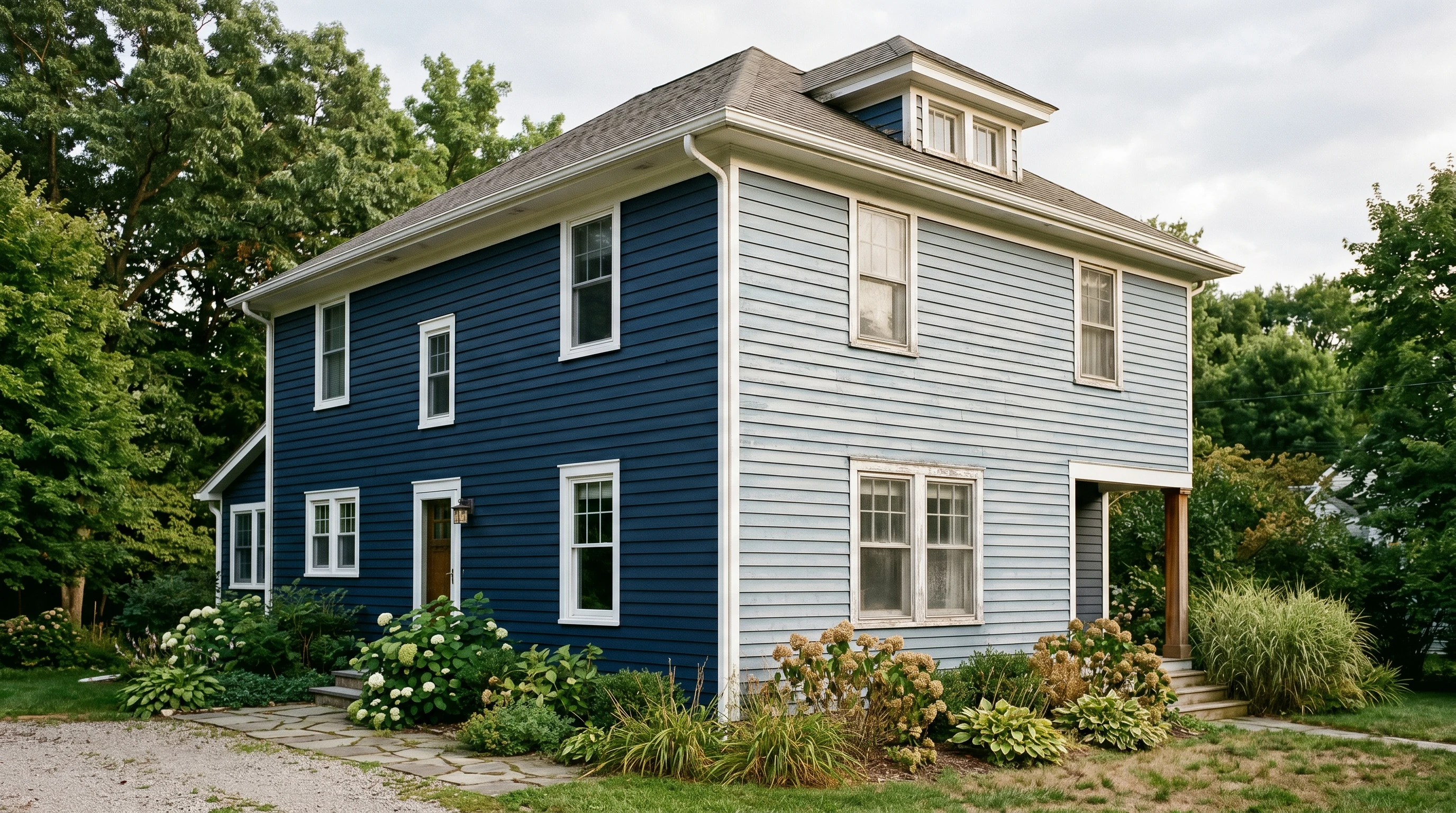
Exterior Paint Fading and Chalking — Why South Walls Lose Color First and How to Fix It
UV light degrades the resin in exterior paint, pigment loosens, rain washes it off as chalk. Diagnose the cause, run the chalk test, then dechalk, prime, and recoat with a UV-stable acrylic so it holds another 12 to 15 years.
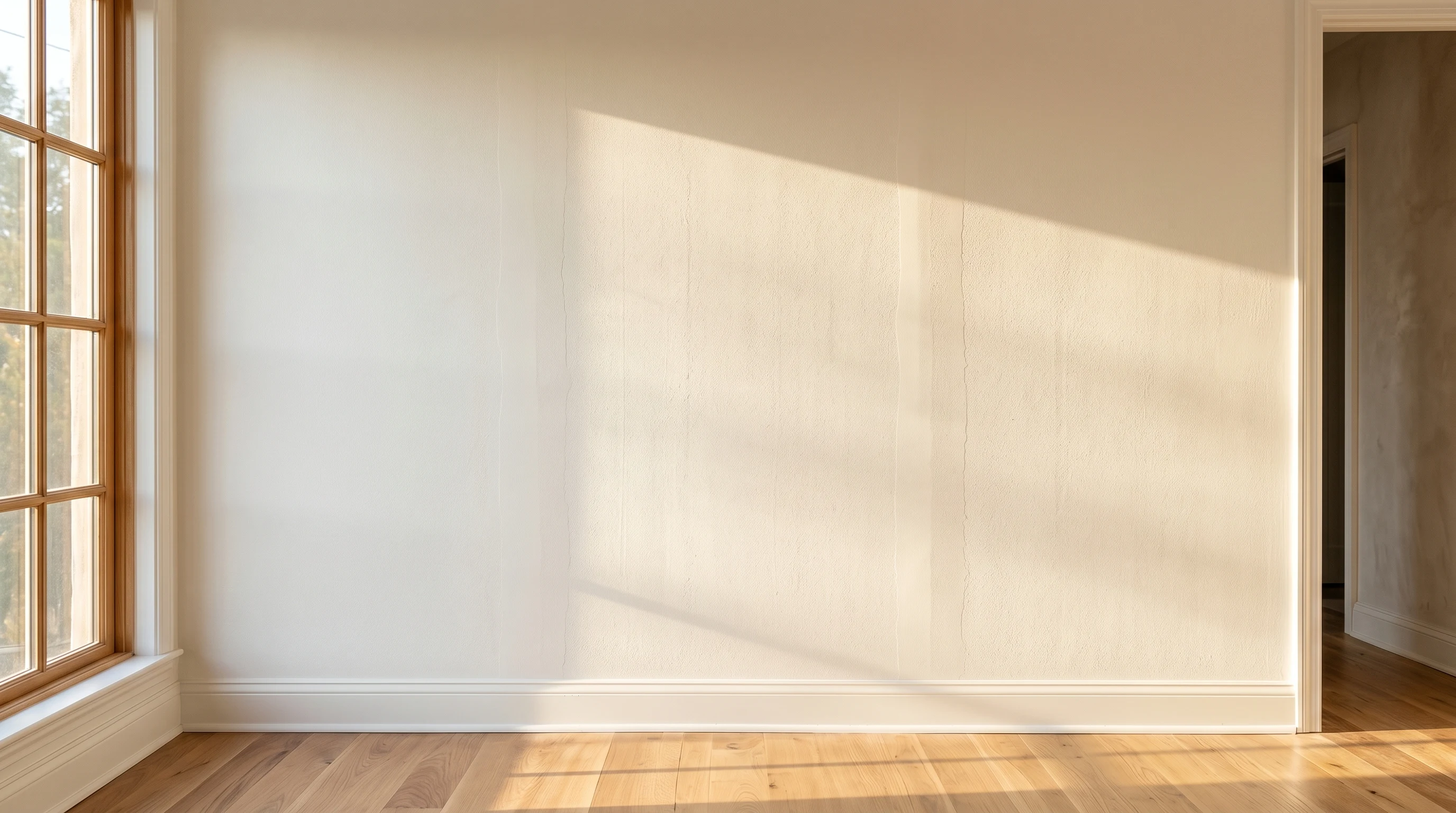
Lap Marks — Why You See the Seams and How to Roll Them Out
Lap marks are visible bands where the wet edge dried before the next pass overlapped. Diagnose the cause, fix existing marks, and roll the next wall right.
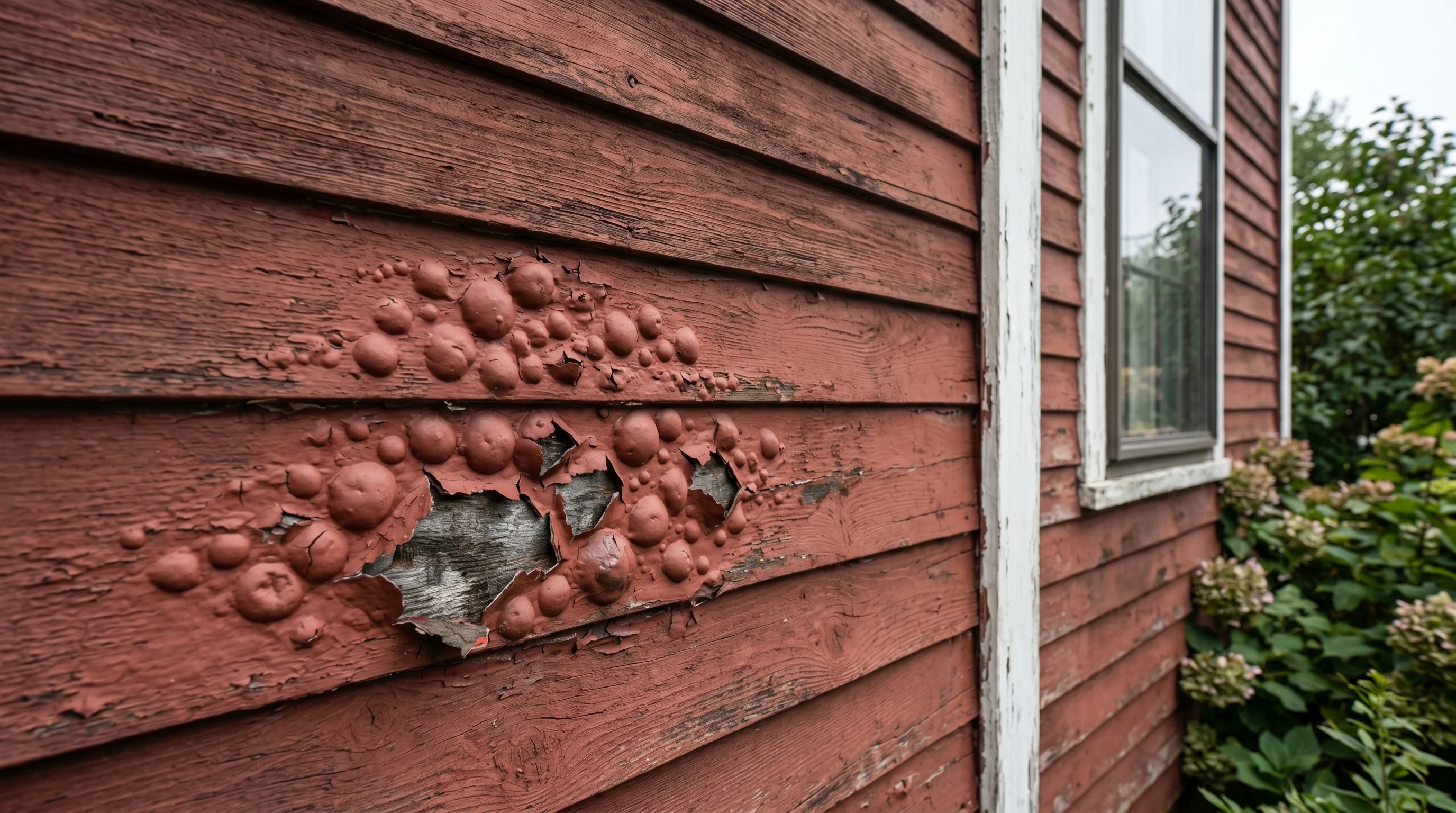
How to Fix Paint Bubbling and Blistering (and Stop It Coming Back)
Bubbles and blisters in a paint film mean heat, trapped solvent, moisture, or contamination — not a bad can of paint. Diagnose which one, fix the cause, then scrape, prime, and recoat so it actually holds.
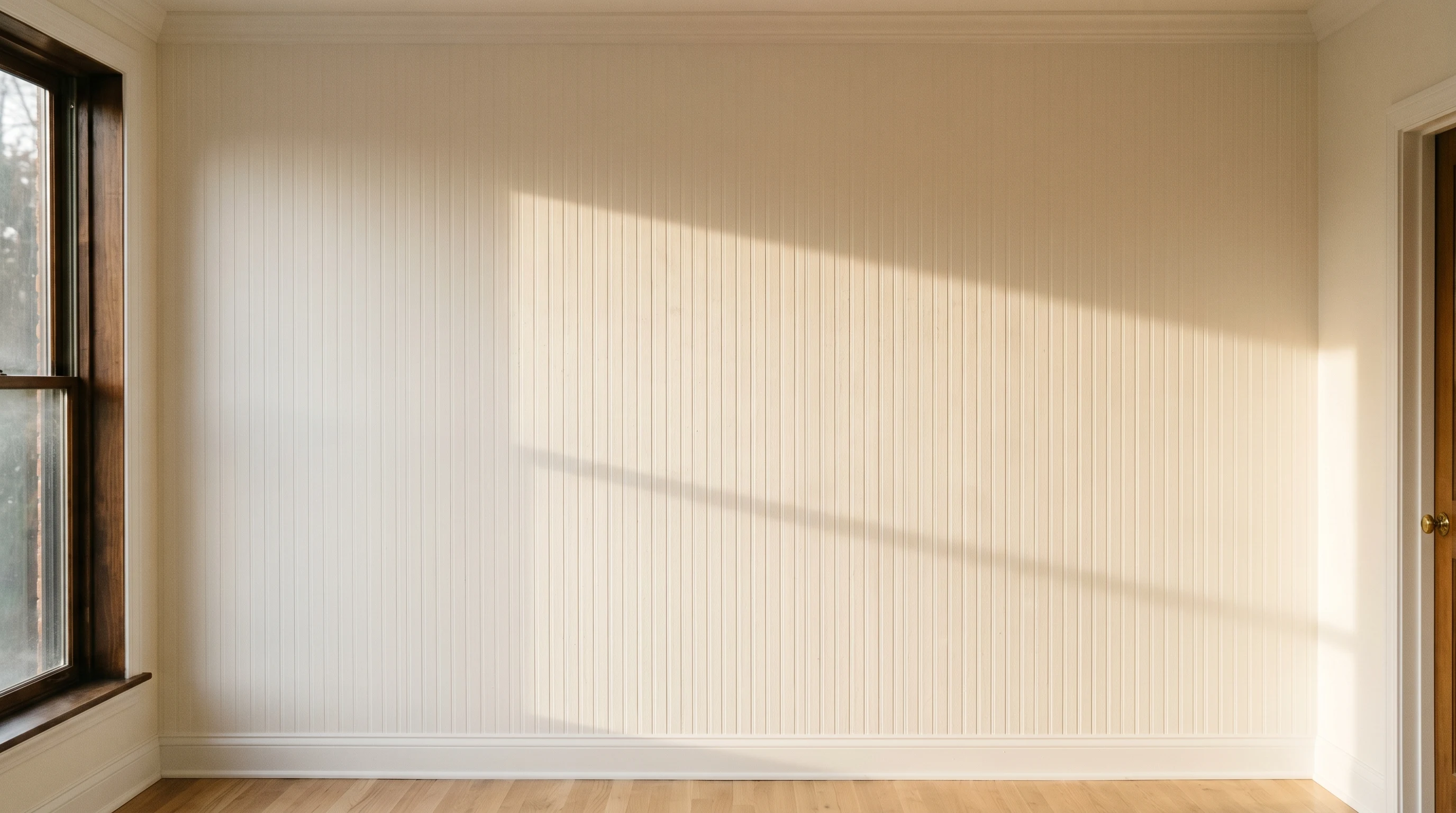
Roller Marks — Why You See the Track and How to Roll Flat
Roller marks are the track lines a roller leaves across a finished wall. Diagnose nap, cover quality, or technique, then sand the ridges, recoat the wall, and roll the next one without striping.
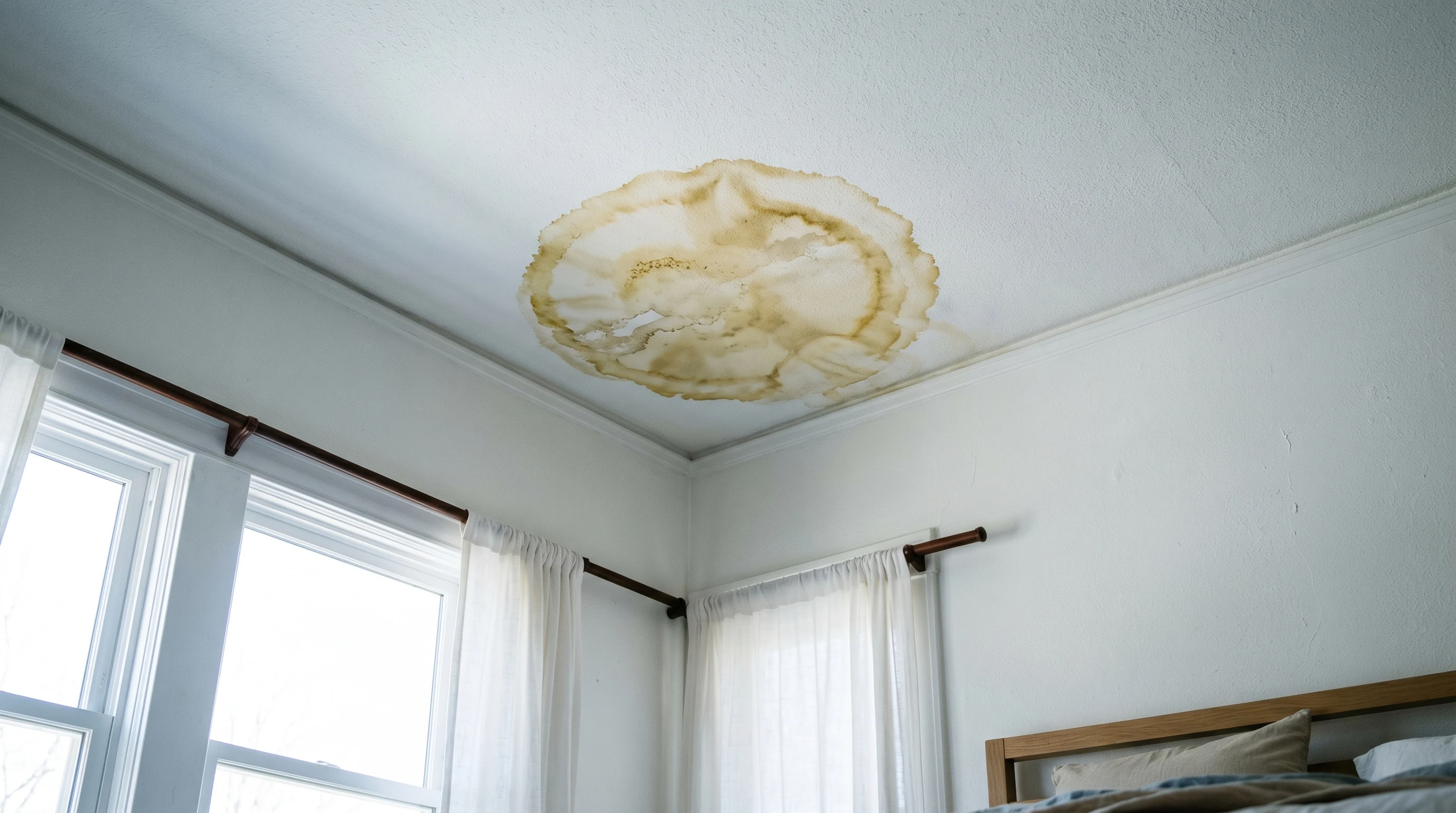
How to Fix Water Stains on a Ceiling (and Stop Them Bleeding Back Through)
Diagnose an active leak vs a cured stain, fix the source first, then spot-prime with the right stain blocker — Zinsser BIN, Cover Stain, or Bulls Eye 1-2-3 — and repaint without flashing.
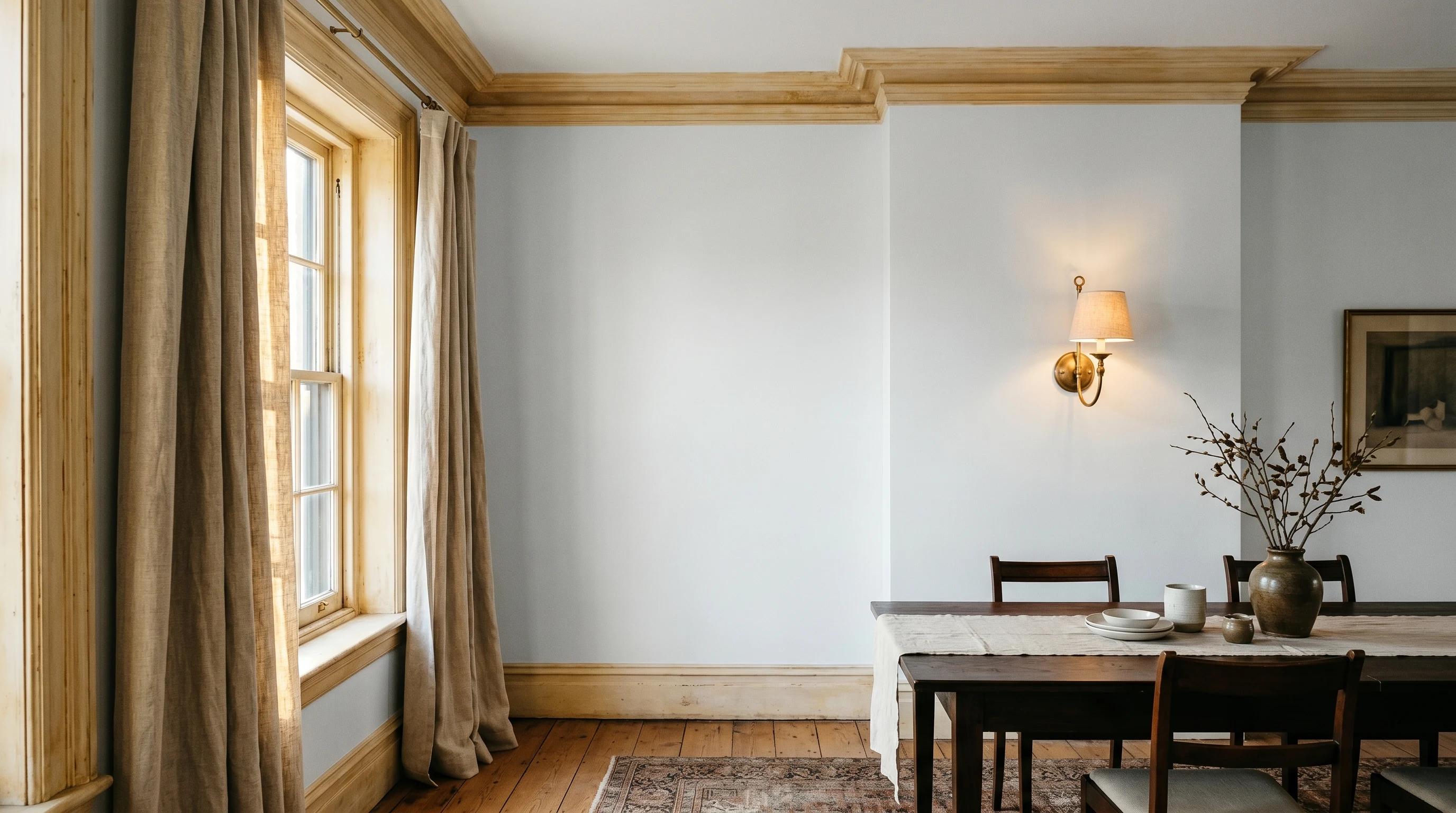
Yellowing Trim — Why White Goes Amber and How to Stop It
White trim turns amber over time because of resin chemistry, low-UV rooms, and surface contamination. Diagnose with a wipe test and a closet test, then repaint in a non-yellowing waterborne alkyd that holds its white.
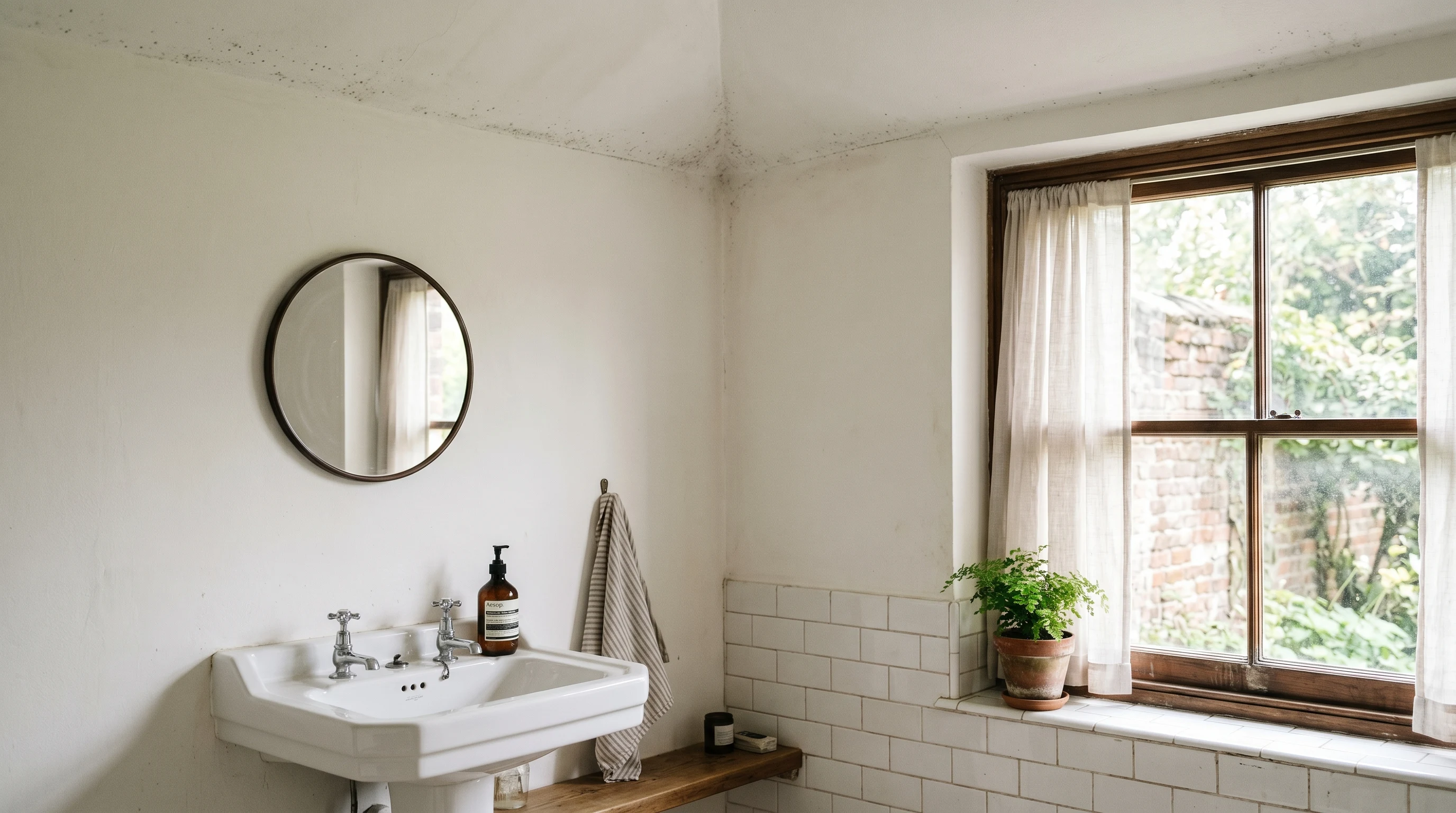
How to Fix Mold on Walls (and Stop It Coming Back)
Diagnose mold vs mildew vs efflorescence, kill it with the right treatment, prime with stain-blocker, repaint with a mold-resistant film. The non-paint fix that actually matters: ventilation.
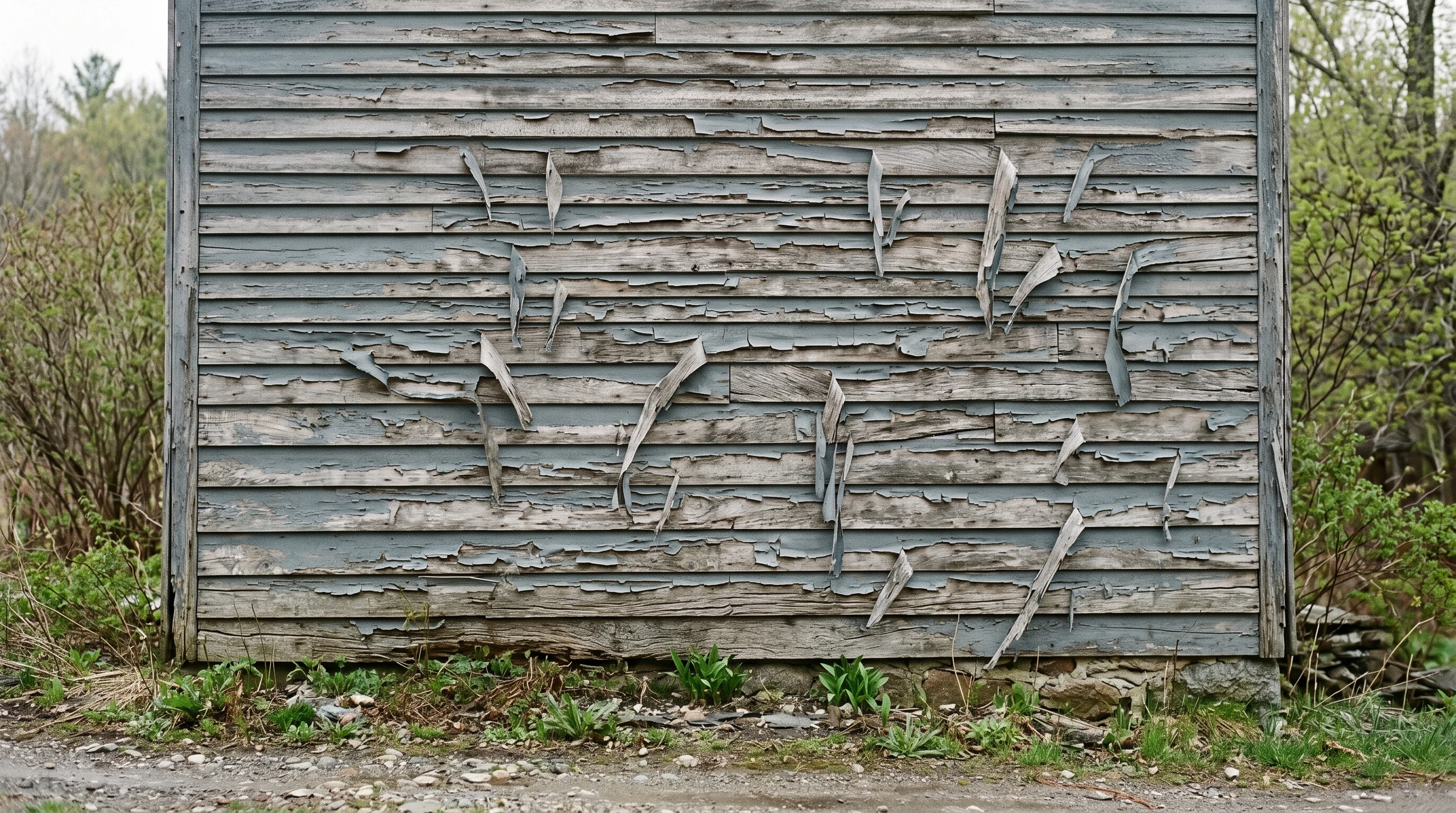
How to Fix Peeling Paint (and Stop It Coming Back)
Diagnose why paint is peeling — moisture, prep failure, wrong primer, incompatible coatings — then scrape, sand, prime, and recoat so it actually holds. The honest fix from a 22-year contractor.