How paint actually works
Reference pieces — sheens, primers, paint chemistry, color theory, undertones. Skim it, save it, send it to the friend who keeps asking what eggshell means.
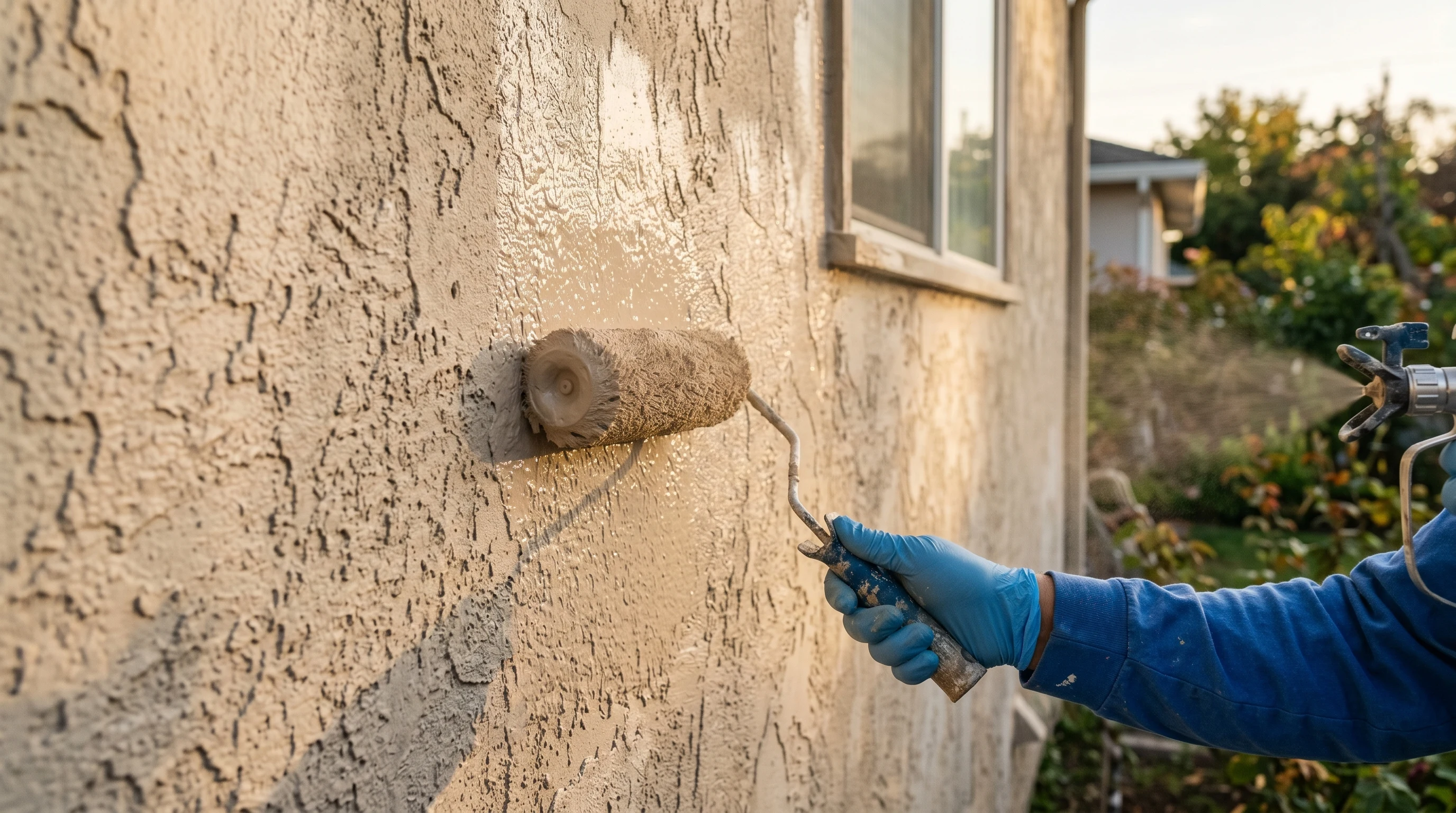
What Is Back-Rolling? And When You Actually Need It
Back-rolling pushes sprayed paint into the surface. Required on stucco, raw drywall, and porous masonry. Optional on smooth pre-primed siding. Here's the rule.
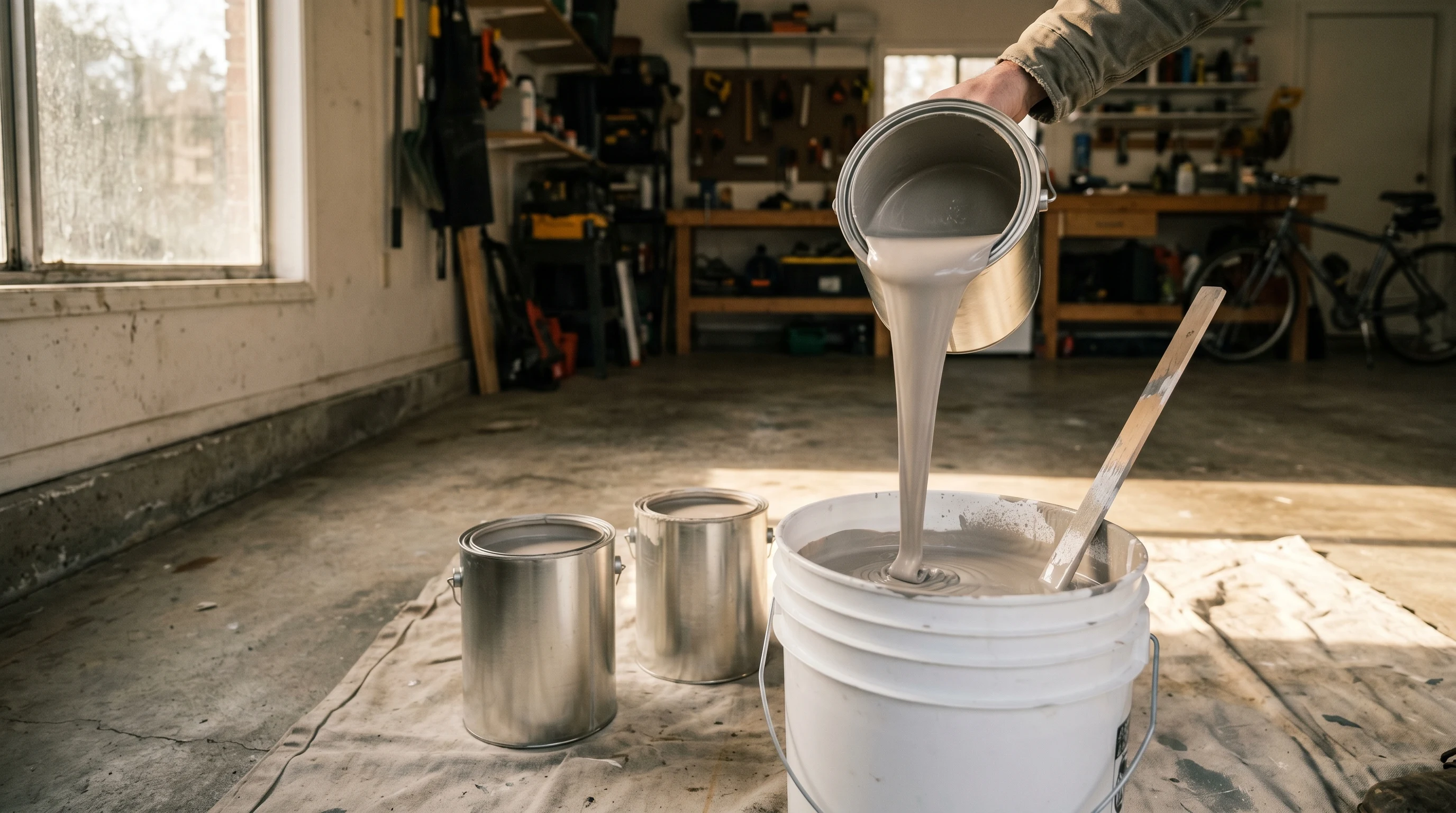
What Is Boxing Paint? (And Why It Matters for Color Consistency)
Boxing paint means pouring multiple cans of the same color into a 5-gallon bucket and stirring them into one batch. Here's why it saves a job.
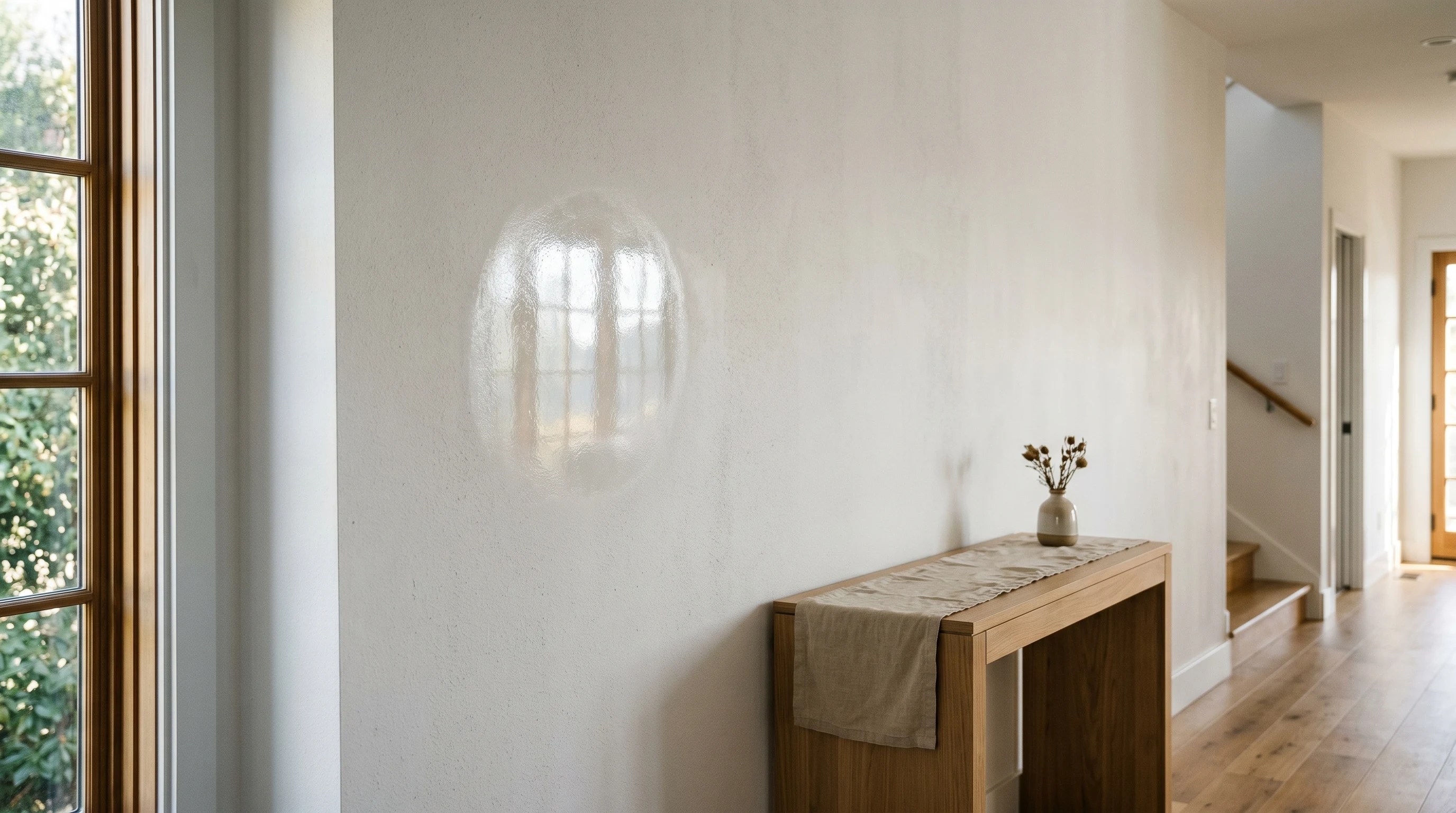
What Is Burnishing? Why Matte Paint Goes Shiny Where You Touch It
Burnishing is mechanical polishing of a paint film by repeated rubbing. Here is the chemistry behind those shiny patches on matte walls, and how to keep them off.
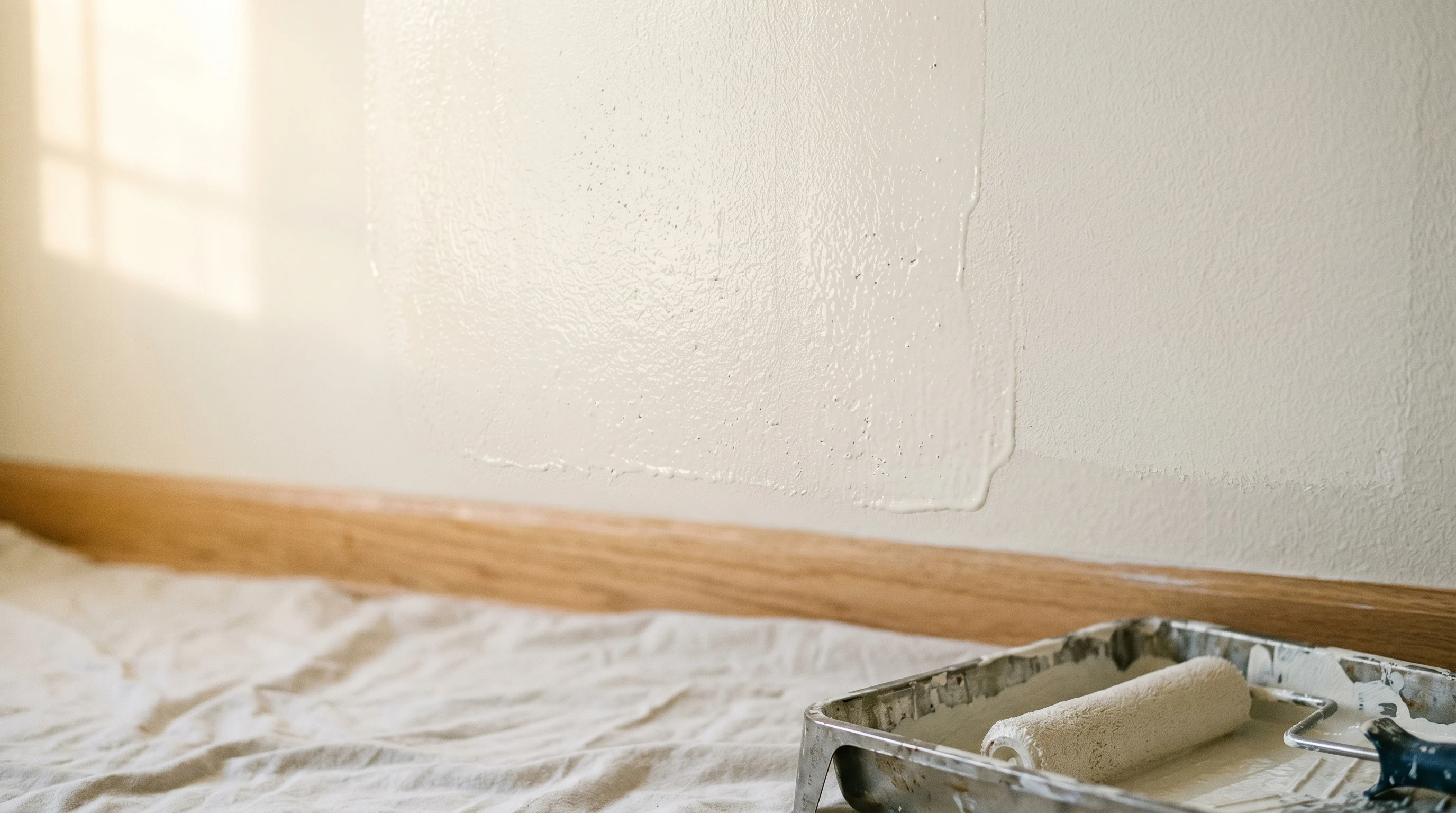
What Is Paint Film Formation?
Paint film formation is a two-stage process: water evaporates, then binder particles coalesce into a continuous film. Why 50°F matters and why full cure takes 30 days.
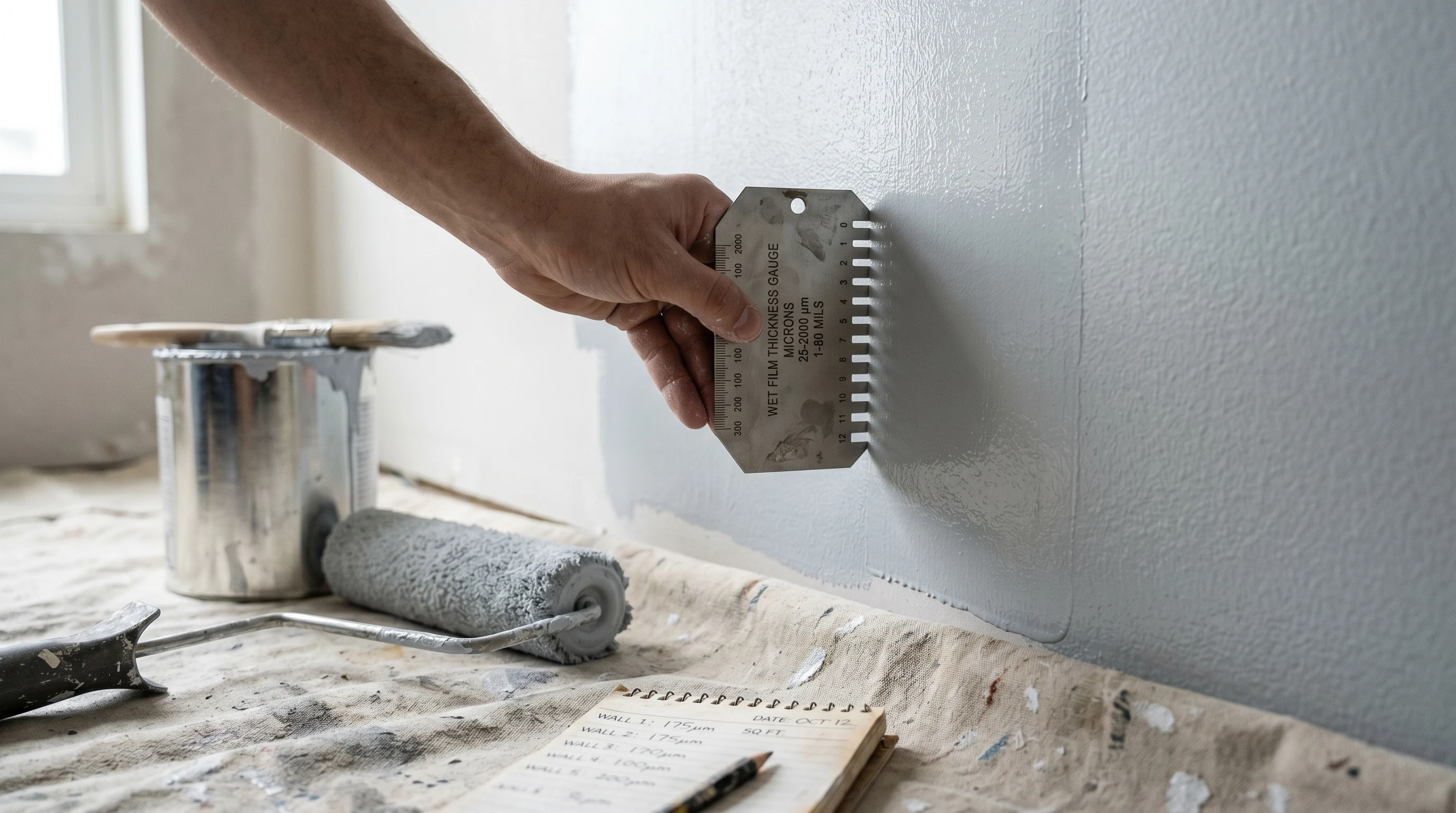
Mil Thickness Explained: DFT for Homeowners
A mil is one thousandth of an inch. Wall paint goes on at 4 to 6 wet mils, dries to 1.5 to 2 mils DFT, and that's the number every coverage claim is built on.
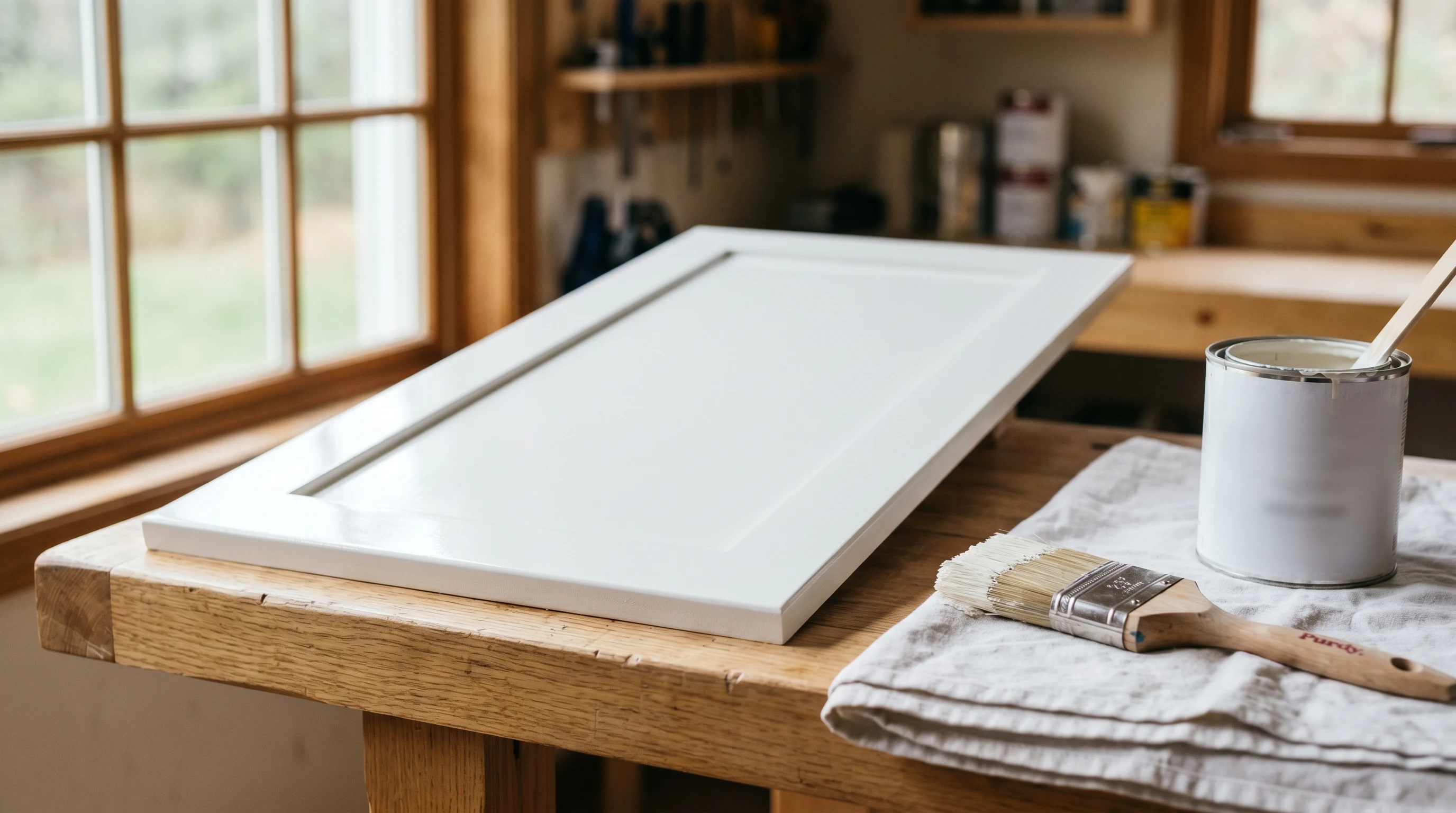
What Is Alkyd Paint?
Alkyd paint uses a synthetic polyester-and-oil resin that cures into a hard, glassy film. Here's the chemistry and why it became the cabinet and trim default.
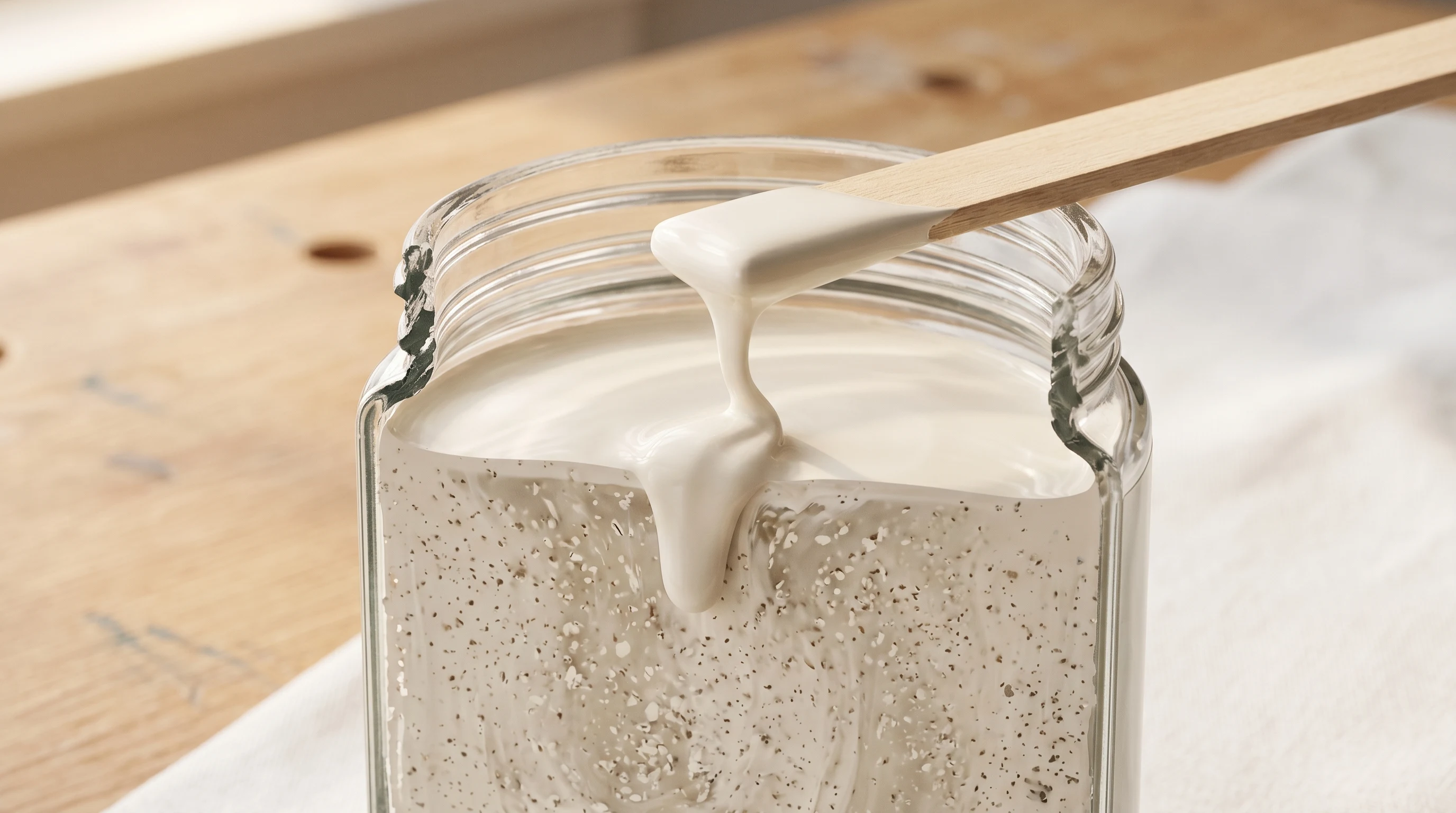
What Is the Binder in Paint?
The binder is the glue. PVA, vinyl-acrylic, 100% acrylic, alkyd, urethane, epoxy — each binder type sets the film's hardness, flex, washability, and where the paint belongs.

What Is Eggshell Paint?
Eggshell reads 10–25 gloss units at 85°. It's the soft-glow finish that quietly runs most living rooms and bedrooms in America. Here's why.
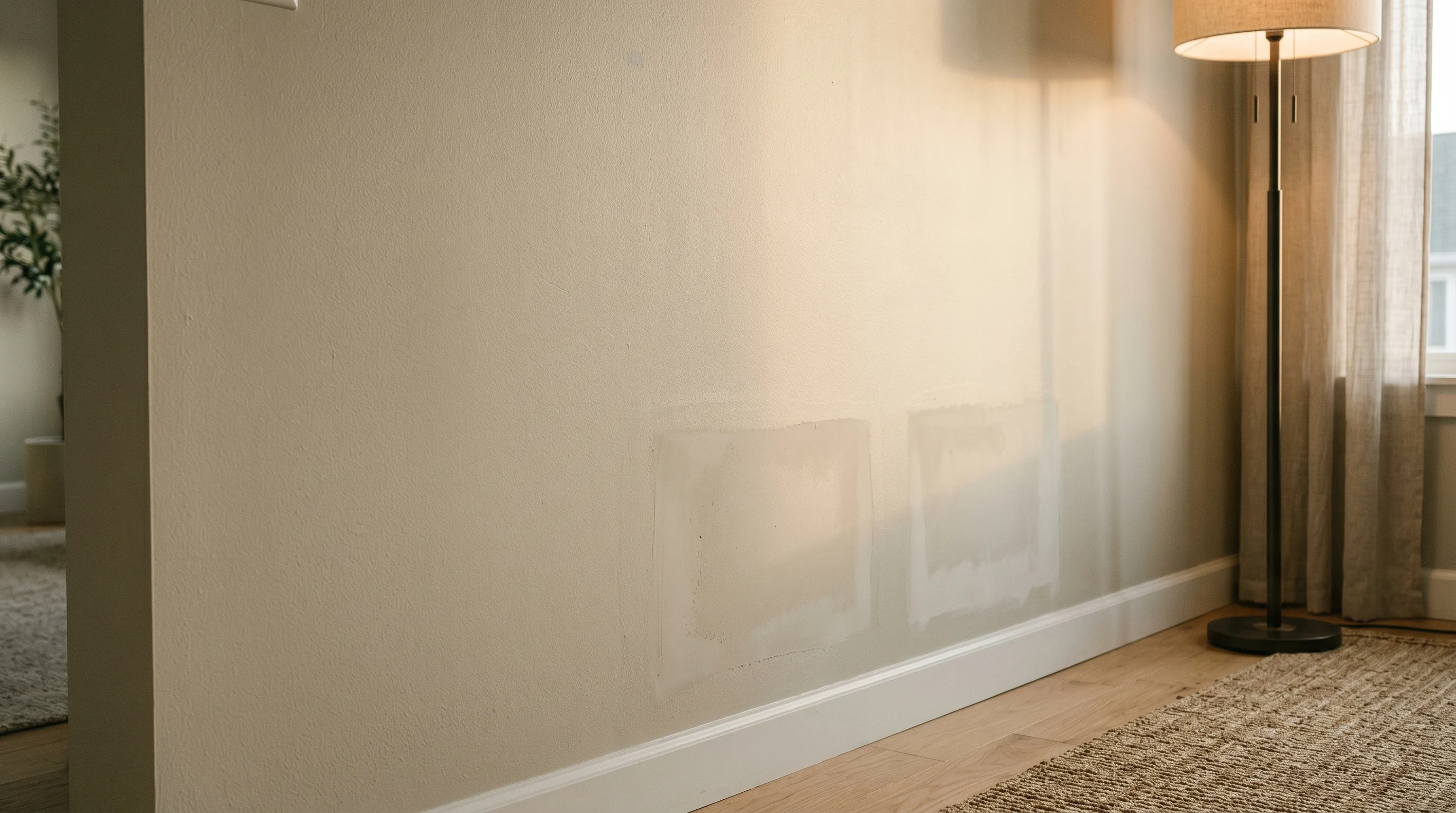
What Is Flashing in Paint?
Flashing is uneven sheen across a wall caused by uneven substrate absorption while the latex film forms. Here is the chemistry, the three common variants, and the fix.
What Is Flat Paint?
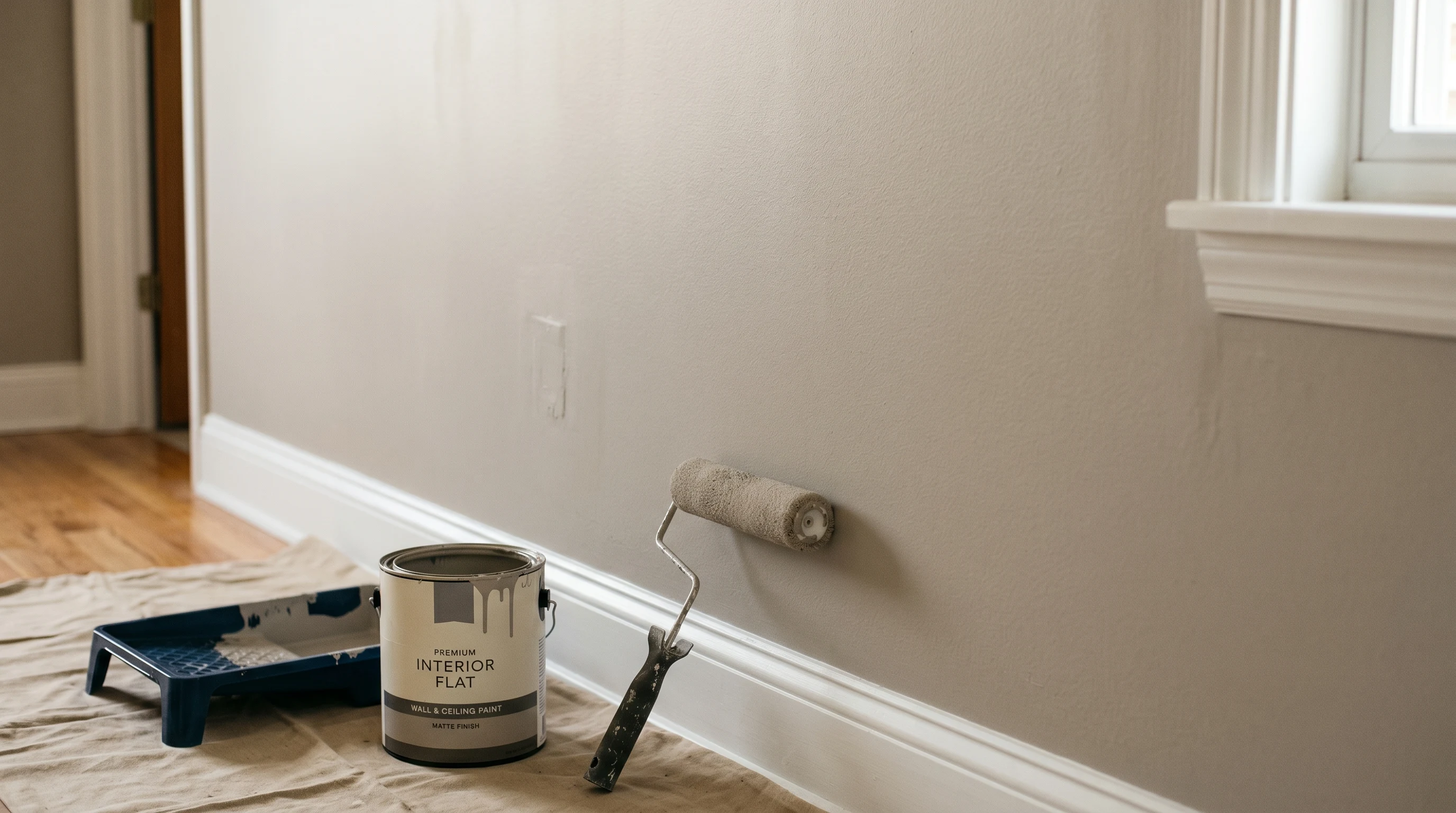
Flat paint hides drywall imperfections because its pigment volume concentration sits above 45%. Here's the chemistry, and why it burnishes the moment you wipe it.

What Is Matte Paint?
Matte paint reads 0–10 gloss units at 85° because its pigment volume sits above 40%. Here is the chemistry, why it hides drywall, and the one exception that does not burnish.
What Is Mineral Paint?
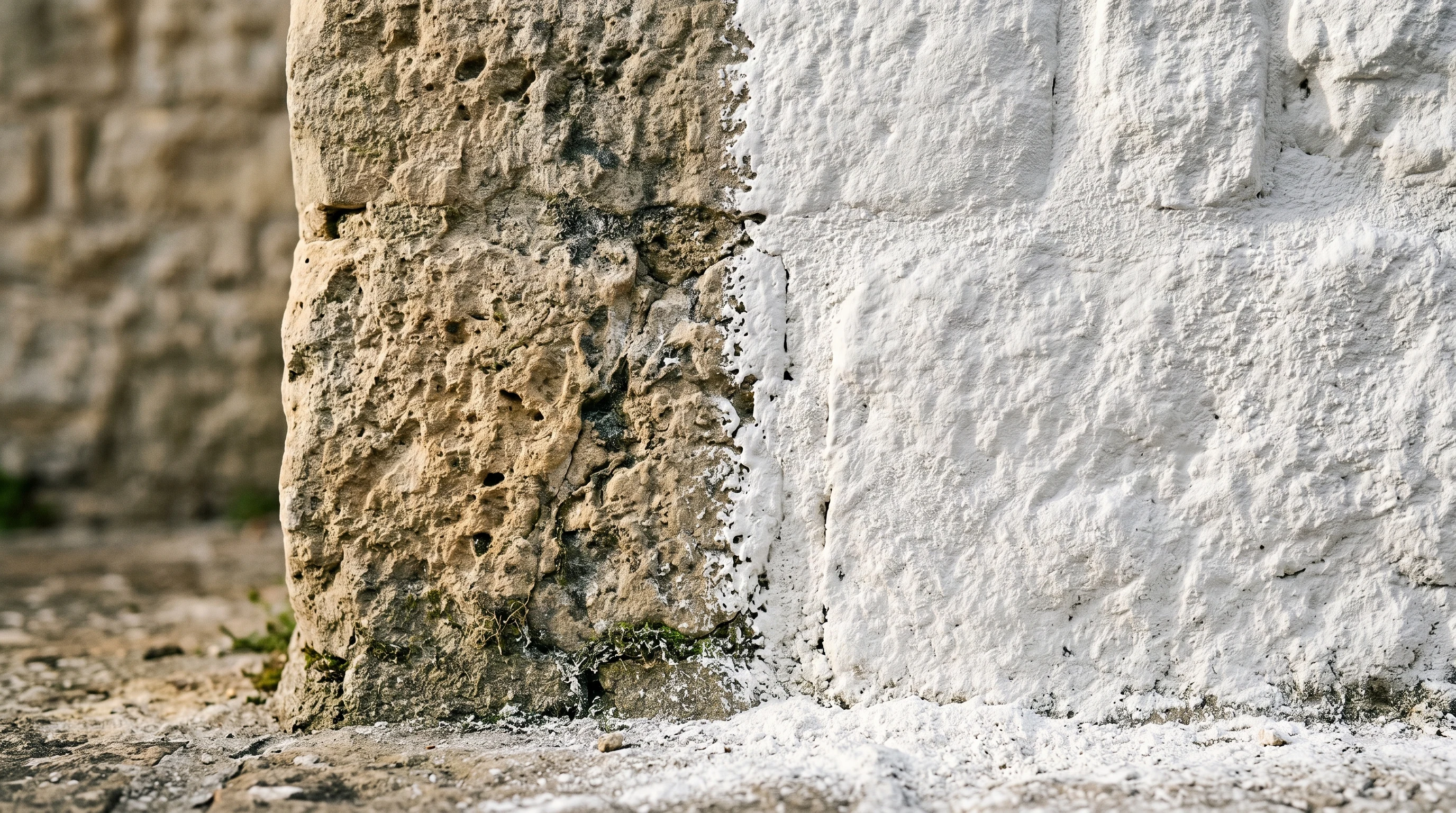
Mineral paint uses a potassium silicate binder that chemically fuses to masonry, lasts 50+ years, and never needs biocide. Here's the chemistry and where it wins.
What Is Satin Paint?
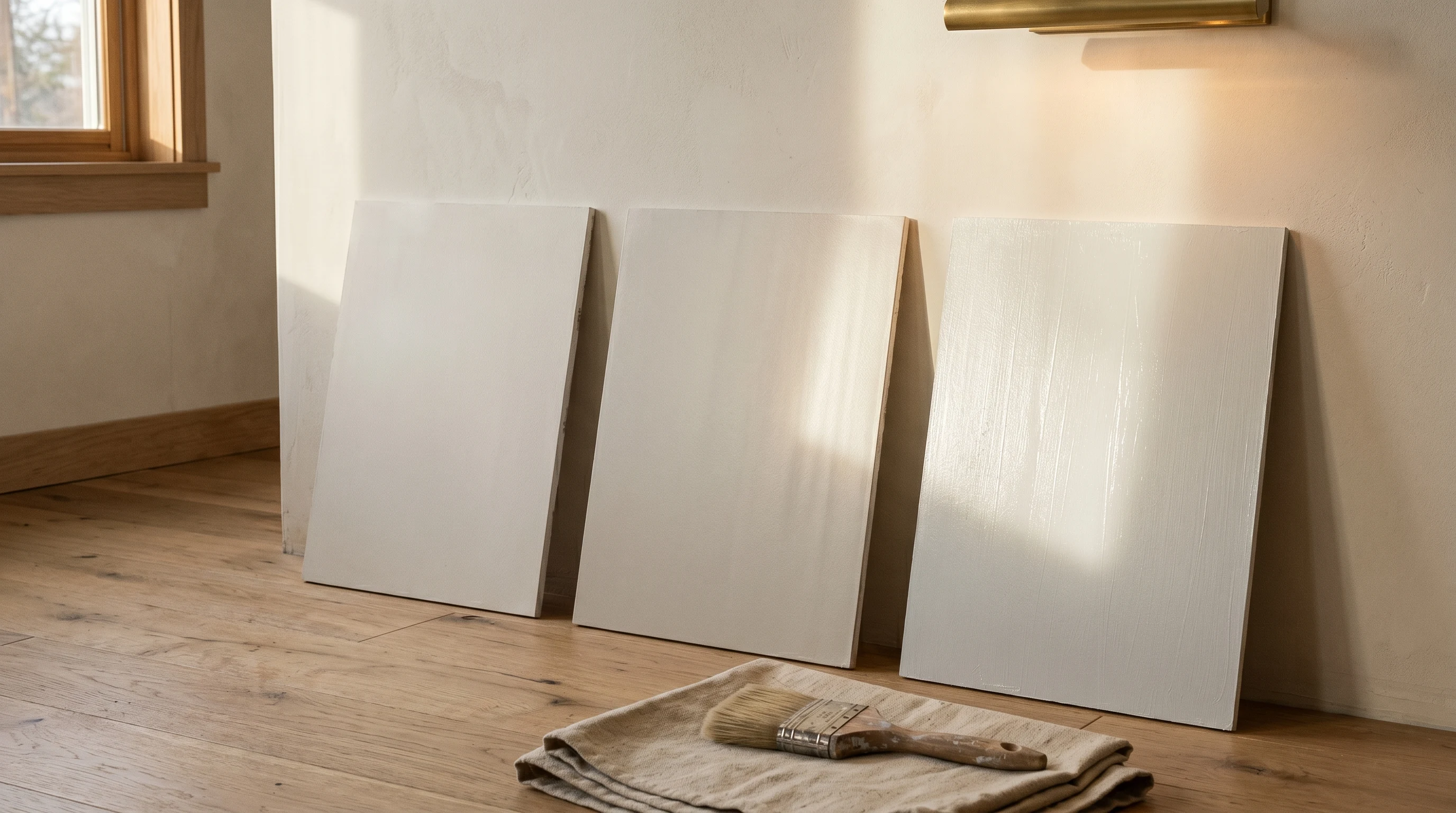
Satin reads 15–35 gloss units at 60° — between eggshell and semi-gloss. Here's why that middle slot wins the kitchen, the bath, and the kid's hallway.
What Is Semi-Gloss Paint?
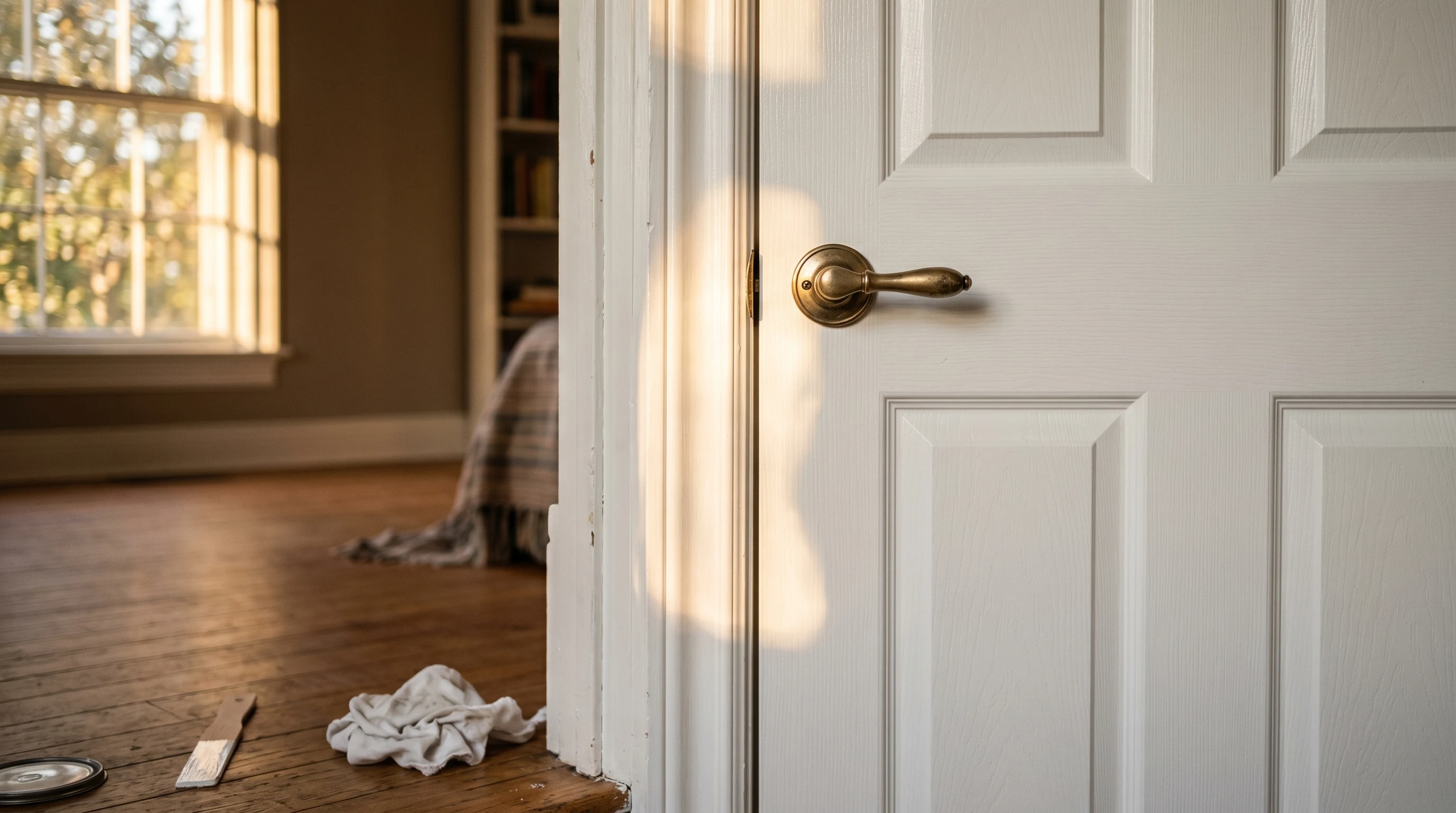
Semi-gloss reads 35–70 gloss units, scrubs harder than satin, and dominates trim, doors, and steamy rooms. Here's the chemistry and where it belongs.
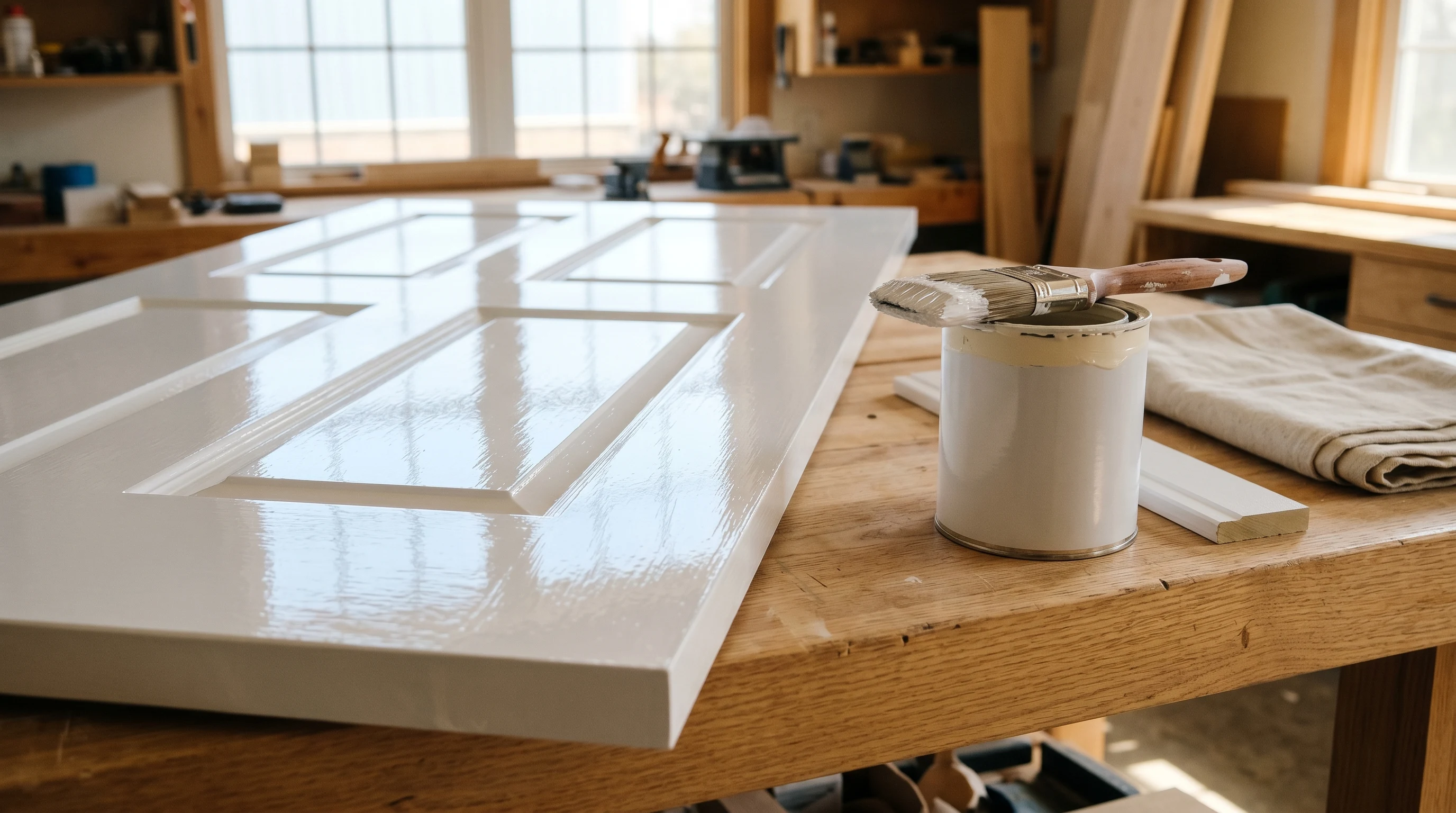
What Is Urethane Paint?
Urethane paint cures through a chemical reaction, not evaporation, into a film hard enough for fleet trucks and kitchen cabinets. Here's the chemistry.
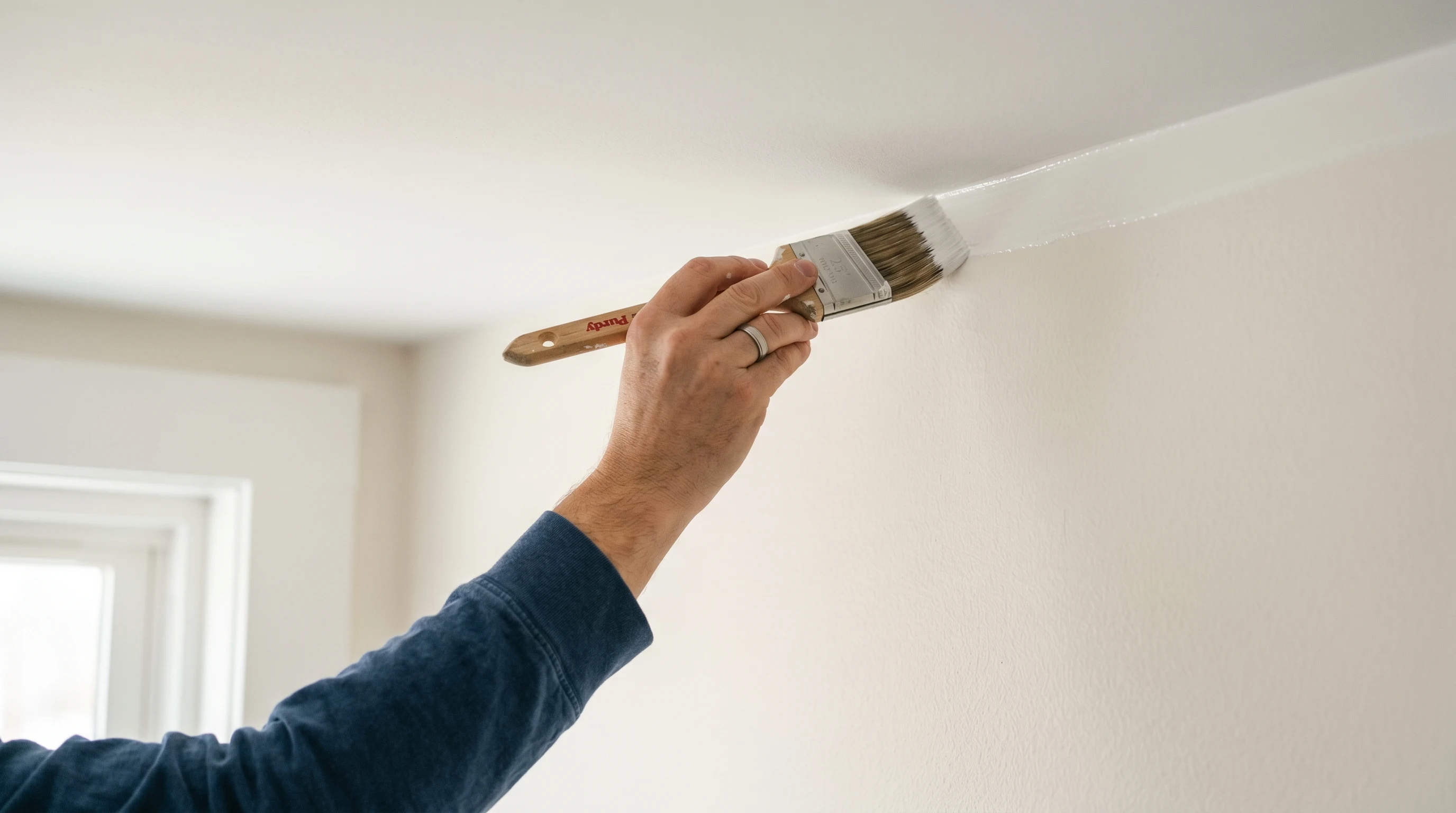
Cut-In Technique Explained
How to cut in paint with a 2.5-inch angled sash brush — loading depth, the three-pass method, and keeping a wet edge with the roller.
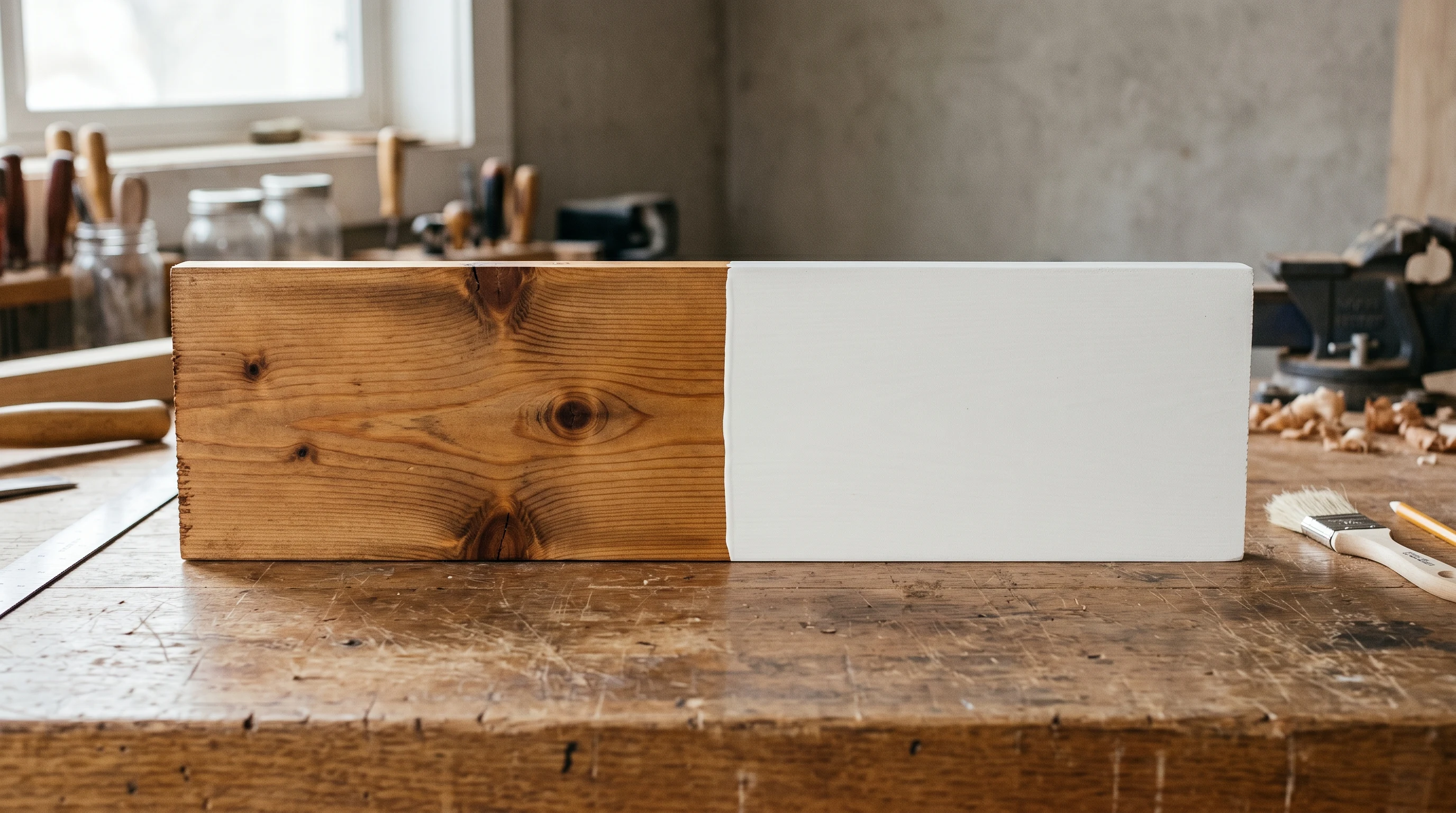
Stain vs Paint — What's the Difference?
Stain soaks pigment into wood fiber; paint builds a film on top. Here's the chemistry, why stain breathes and paint cracks, and a decision tree by substrate.
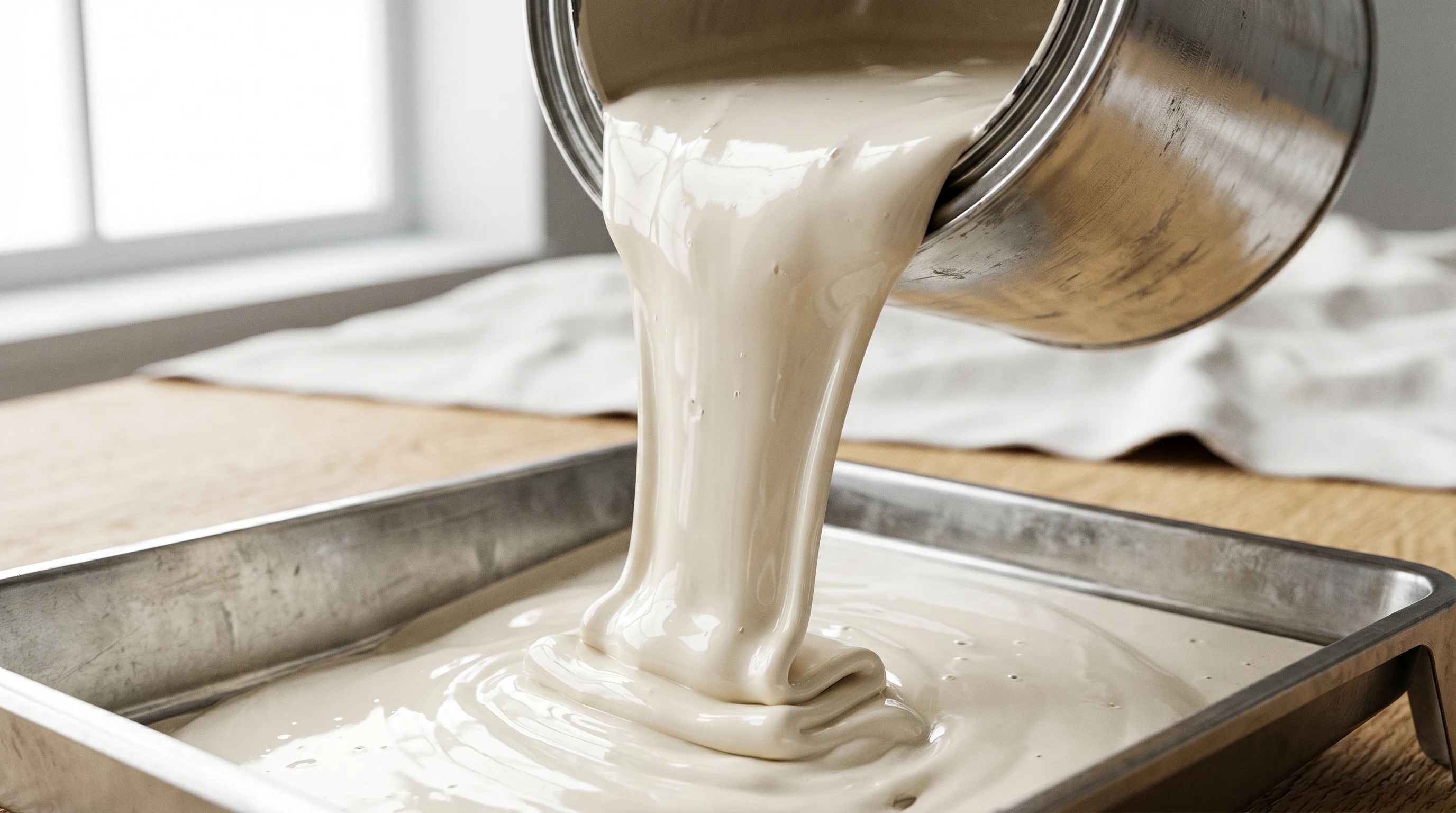
What Is 100% Acrylic Paint?
100% acrylic paint uses an all-acrylic resin binder — harder film, better adhesion, more flex than vinyl-acrylic. Here's the chemistry and where it matters.

What Is Chalk Paint? The Chemistry of a Soft, Chalky Film
Chalk paint is calcium-carbonate-loaded latex with an ultra-matte finish. Here's why it grabs raw wood without primer, why it must be sealed, and where it fails.
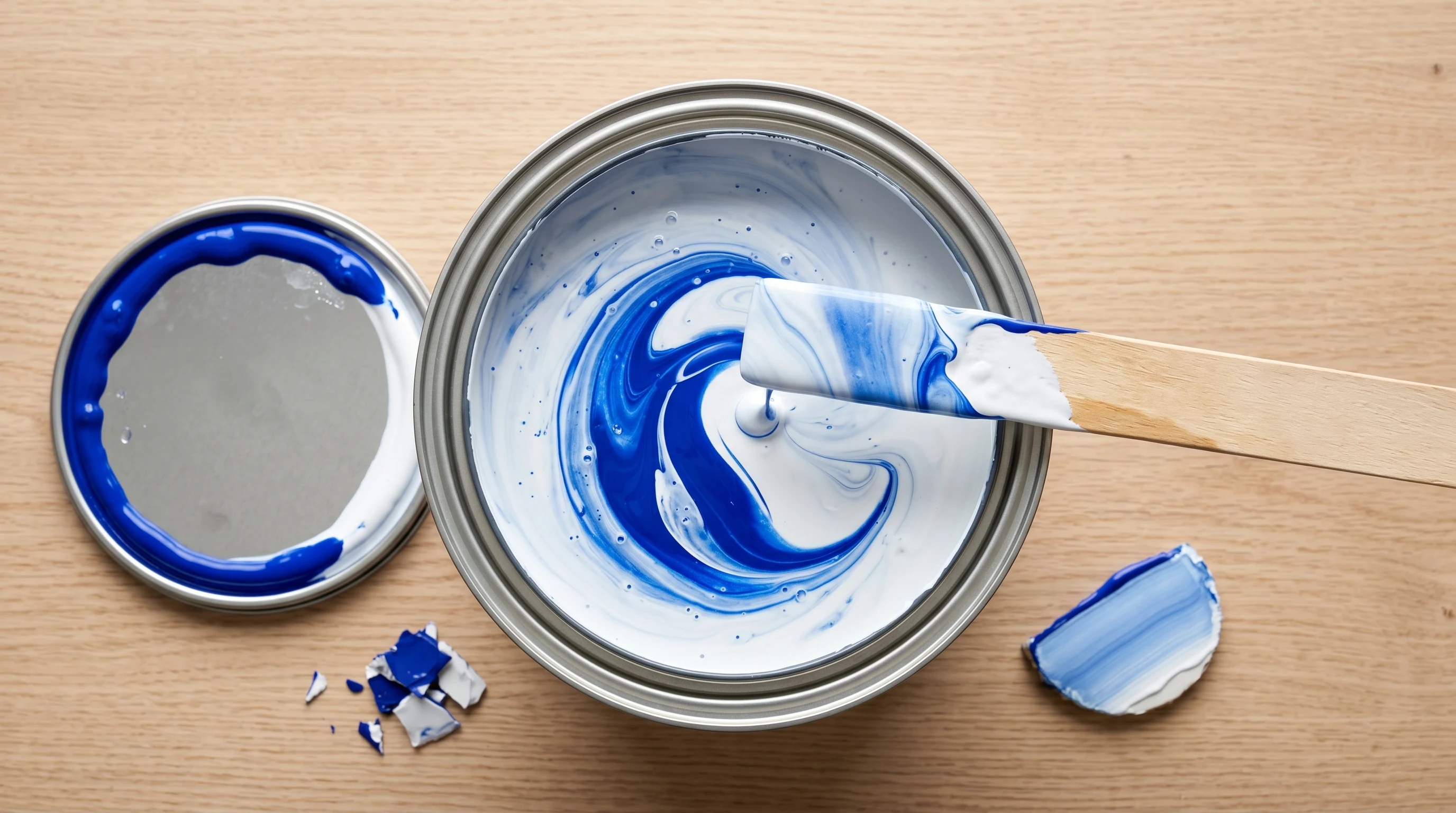
What Is Latex Paint? The Chemistry Behind the Misnomer
Latex paint contains zero latex. Here's the polymer chemistry behind the name, how the film actually forms, and what acrylic vs vinyl means on the can.
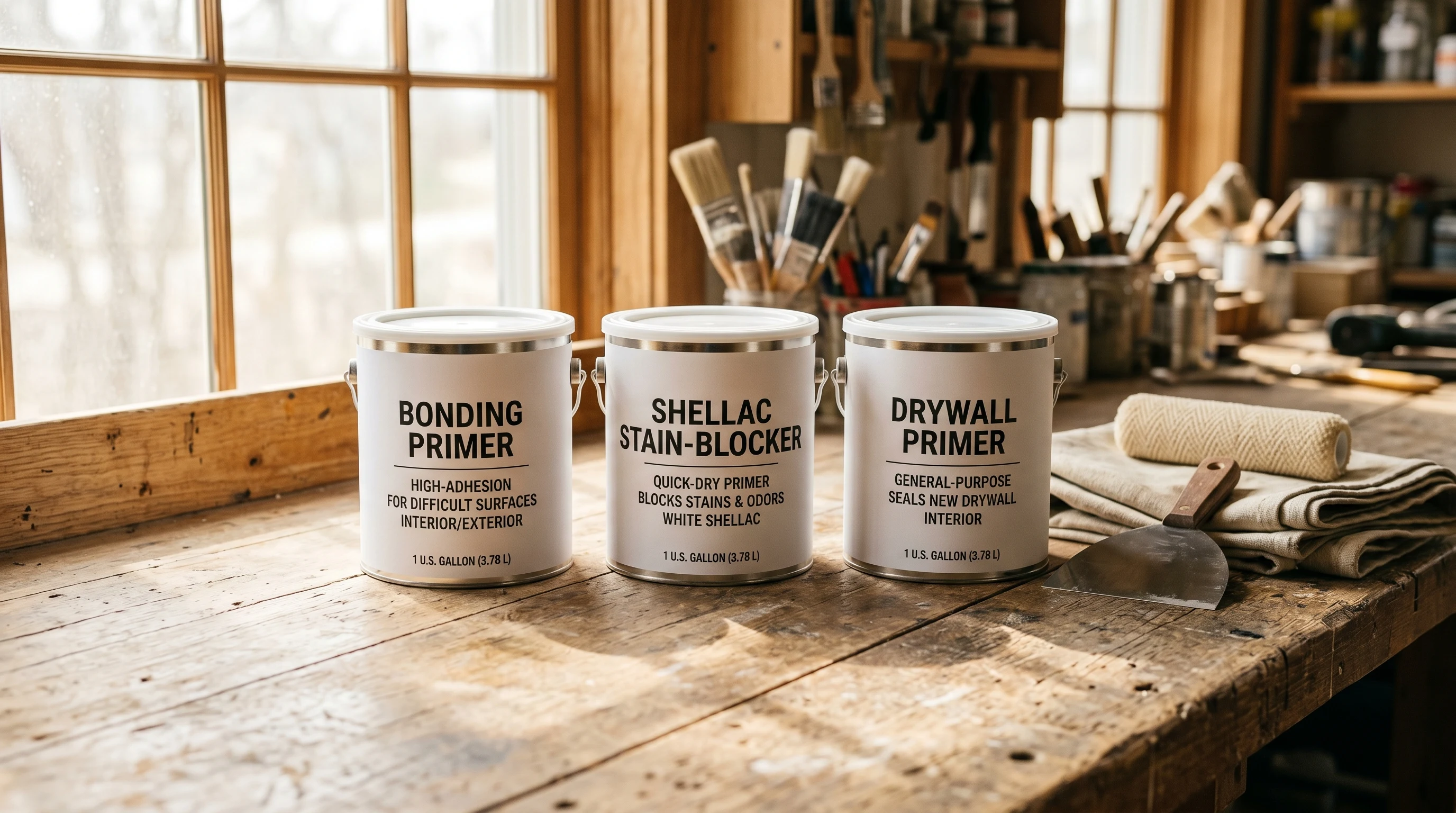
What Is Primer? The Chemistry, in Plain English
Primer is a paint engineered to bond and seal, not to be pretty. Here is what it actually does to your wall, and how to pick the right one for the substrate.
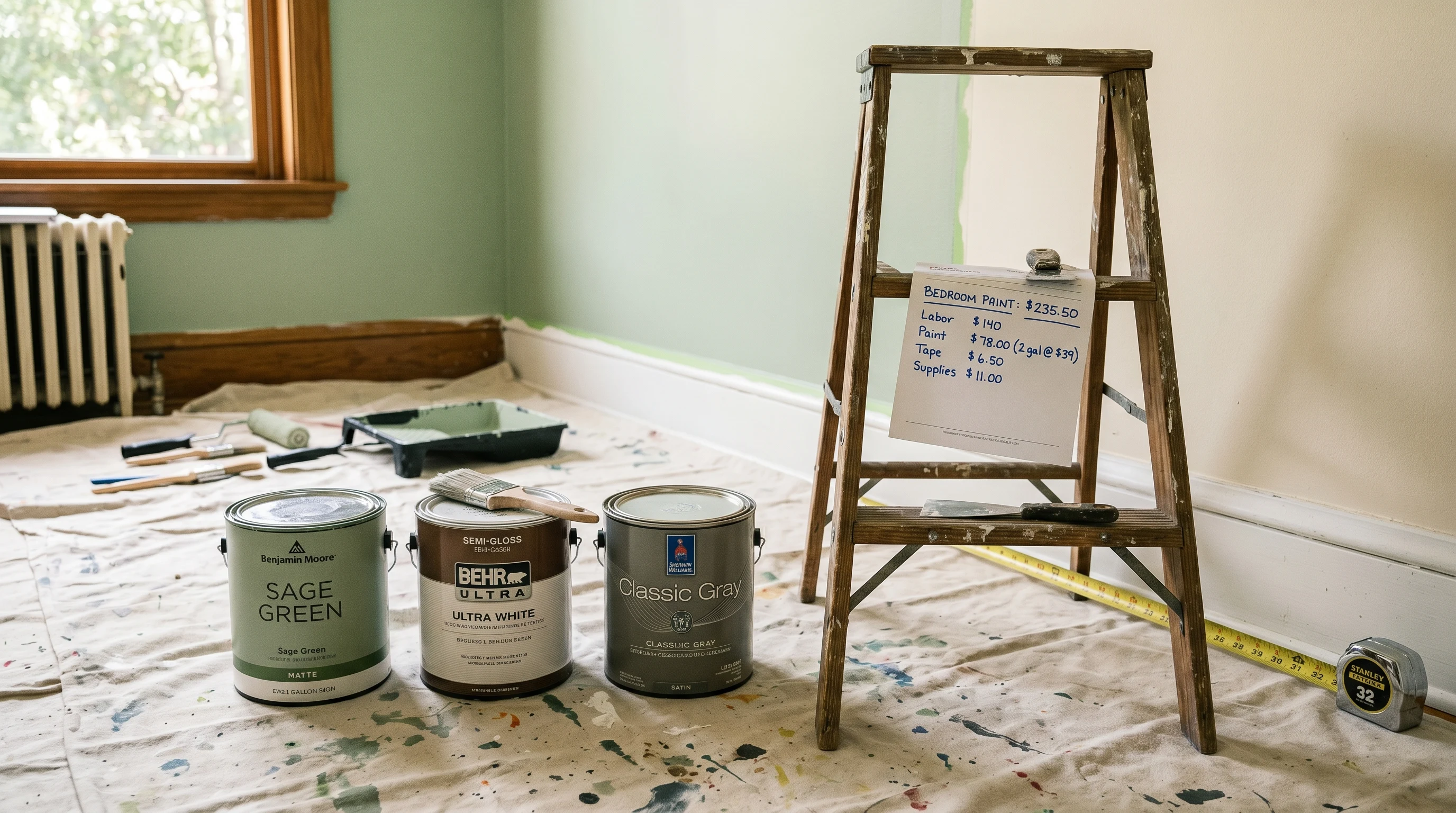
How Much Paint Do You Actually Need? Coverage Math, Explained
The 350–400 sq ft per gallon spec, what it really means at 4 mils wet, and how to translate it into the right number of gallons for your room or house.
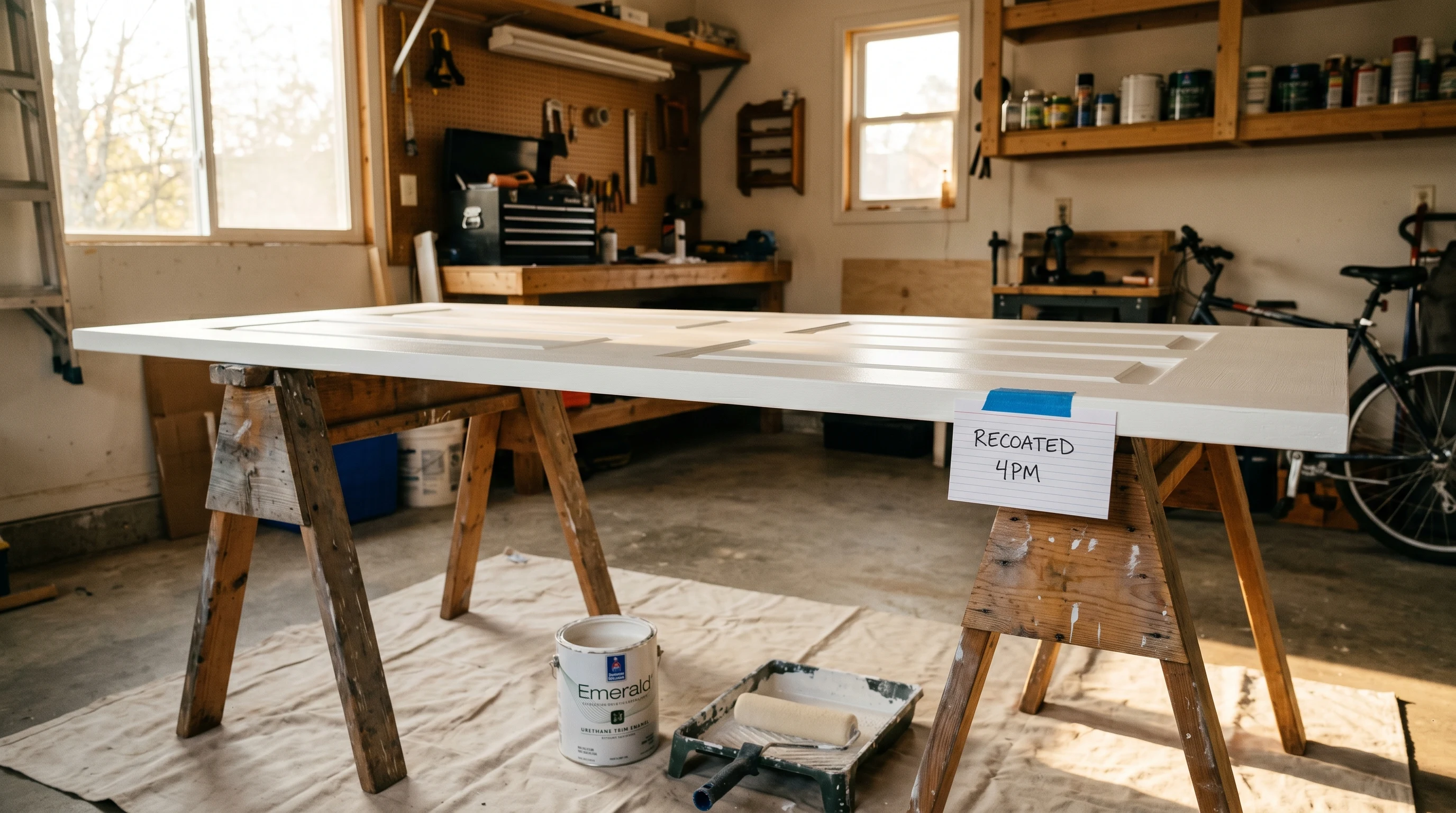
Dry Time vs Cure Time: Why 'Dry to Touch' Doesn't Mean Ready
The five drying stages of latex, alkyd, and epoxy paint, in hours and days. The chemistry behind film formation and why full hardness lags touch-dry by a week or more.
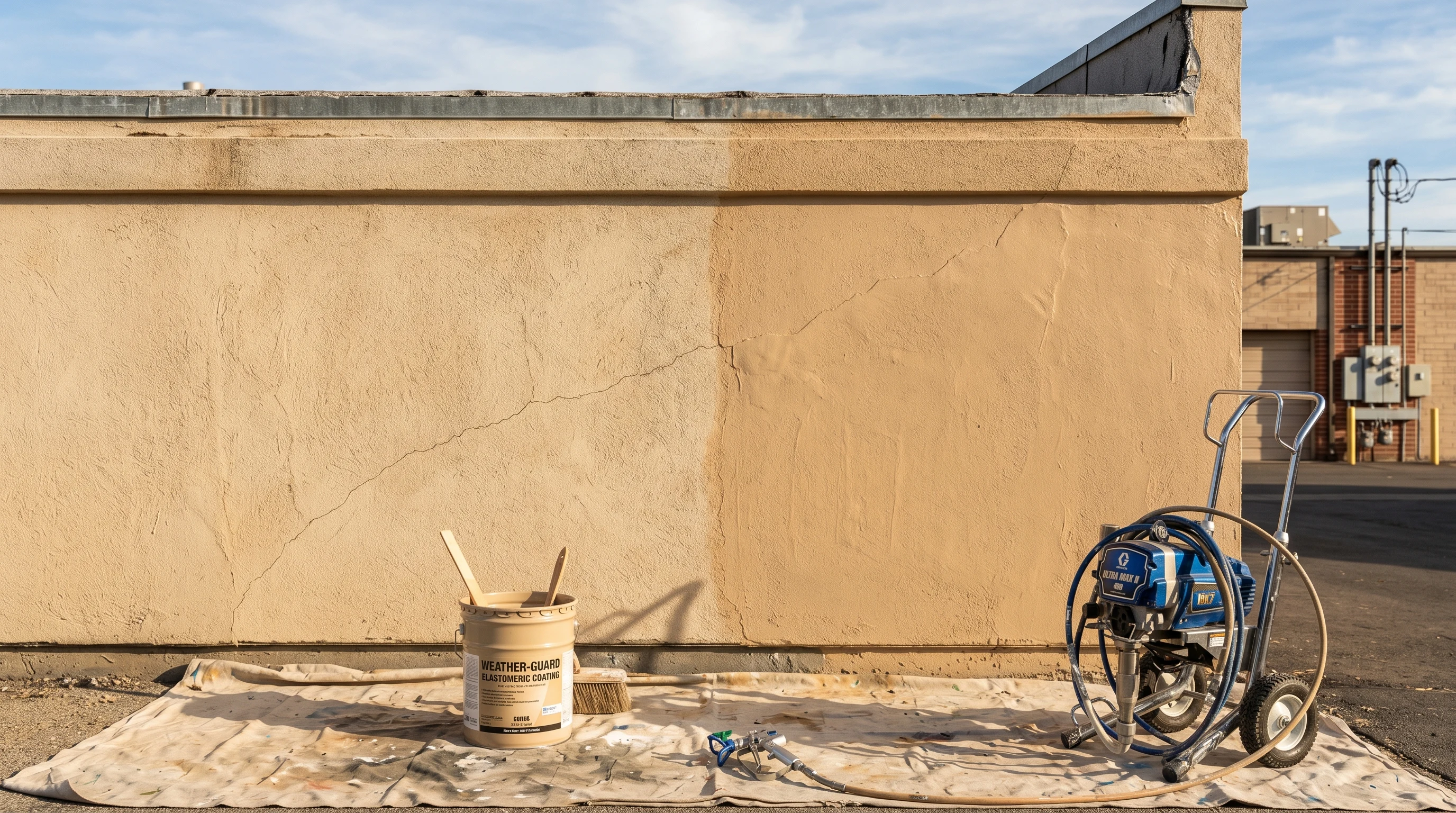
What Is Elastomeric Paint? High-Build, Crack-Bridging Coatings, Explained
Elastomeric paint is a 10–20 mil flexible acrylic coating engineered to bridge hairline cracks in masonry. Where it wins, where it's overkill, and what ASTM crack-bridging spec actually means.
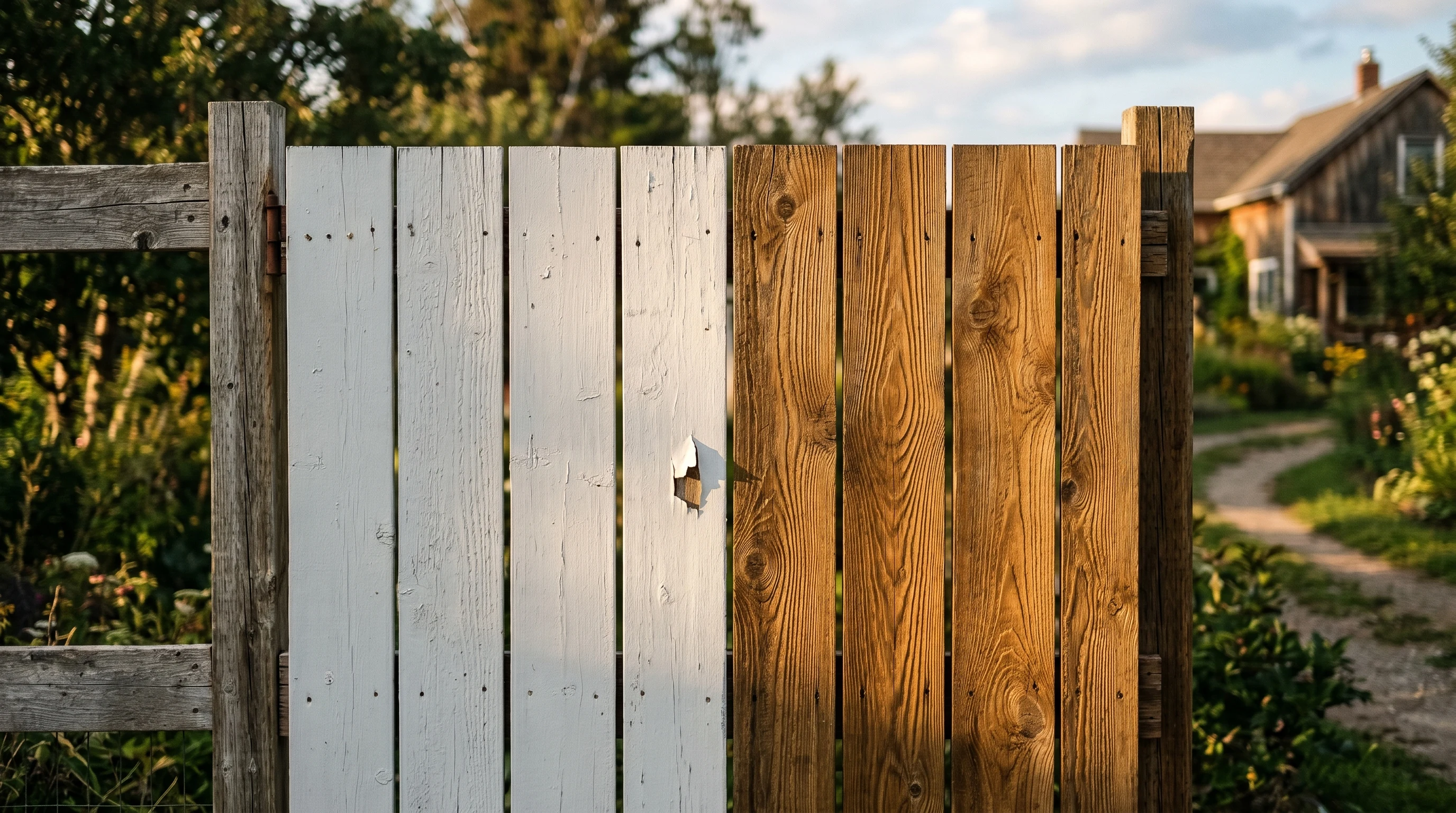
Paint vs Stain: The Chemistry Difference, and Where Each One Wins
Paint forms a film on top of the substrate; stain delivers pigment into wood fiber. Here's the chemistry, the substrate map, and the maintenance trade-off.
Primer vs Paint-And-Primer-In-One: When the Marketing Claim Actually Works
Self-priming paint works on four jobs and fails on seven. The honest field guide to when to skip primer and when skipping it costs you a $2,000 repaint.
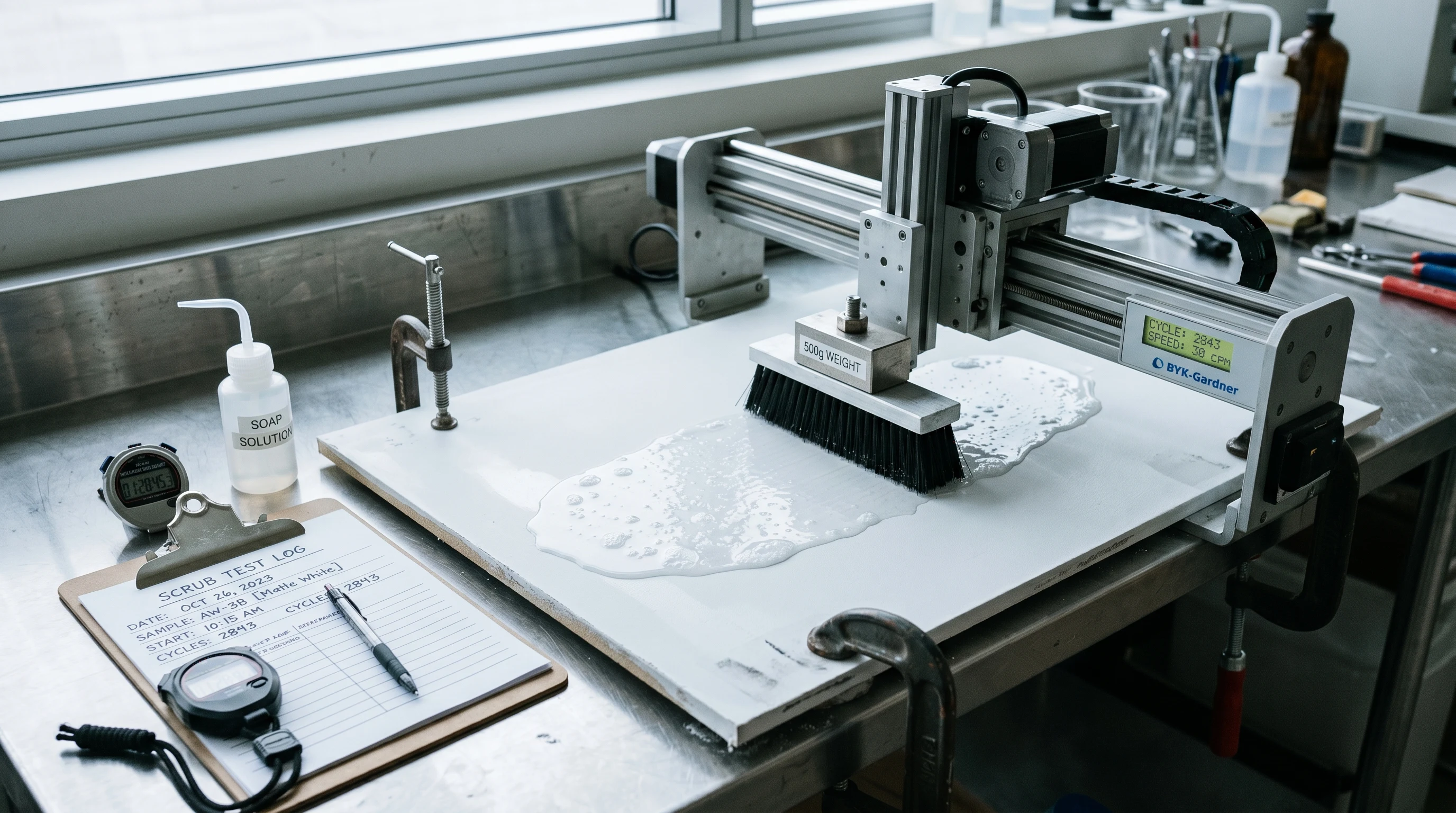
Scrubbability vs Washability: What the Cycle Count on the Spec Sheet Actually Means
ASTM D2486 explained — how scrub cycles get measured, what Class I/II/III mean, and the cure-time and sheen catches that decide whether your wall paint earns its rating.
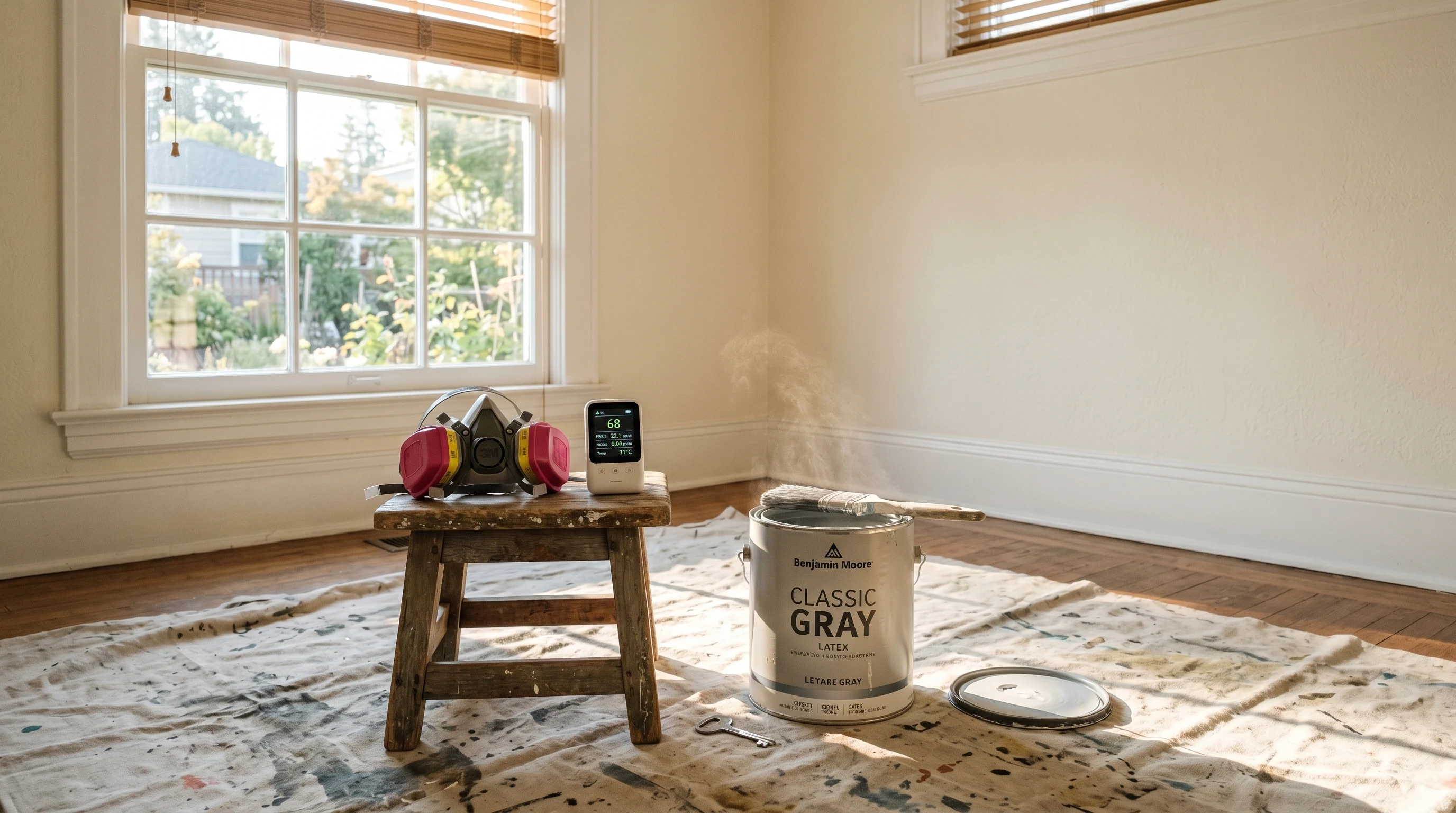
What Are VOCs in Paint? Numbers, Rules, and What Actually Off-Gasses
Volatile organic compounds in paint, explained in g/L and µg/m³. EPA, OTC, SCAQMD, and GreenGuard thresholds, plus what 'zero VOC' actually means at the can.

What Is LRV? Light Reflectance Value, Explained
LRV is the number that tells you how a paint color will actually behave once light hits it. Here's how to read it and why it matters more than the chip.
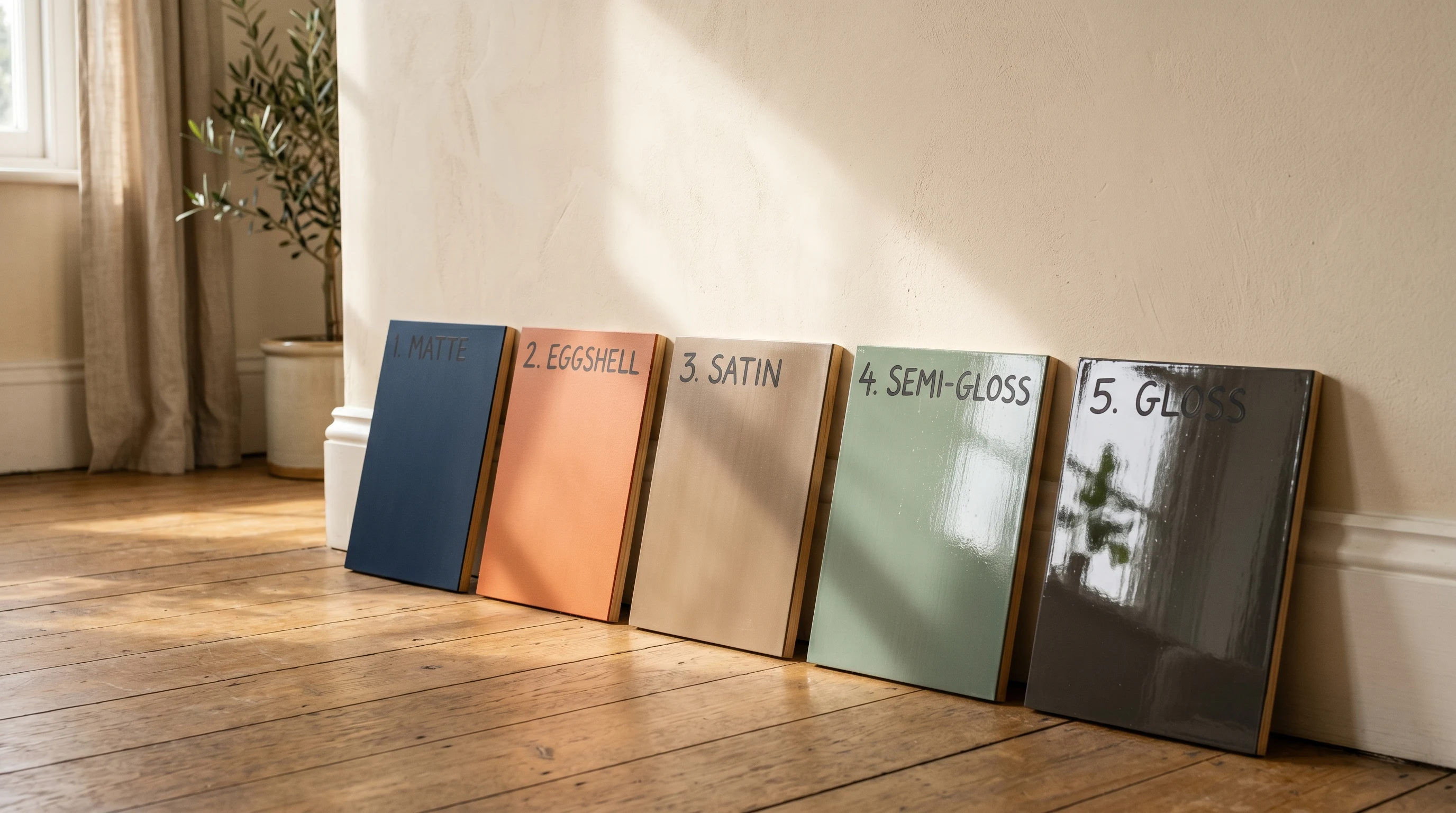
Paint Sheen Guide: Matte vs Eggshell vs Satin vs Semi-Gloss vs Gloss
Five sheen levels, gloss-unit numbers for each, and which one belongs in which room. The reference page you can text to a friend.